What does a grant include?
Most grants can be applied to a broad range of needs, depending on the program and your club's circumstances. Common eligible expenses include:
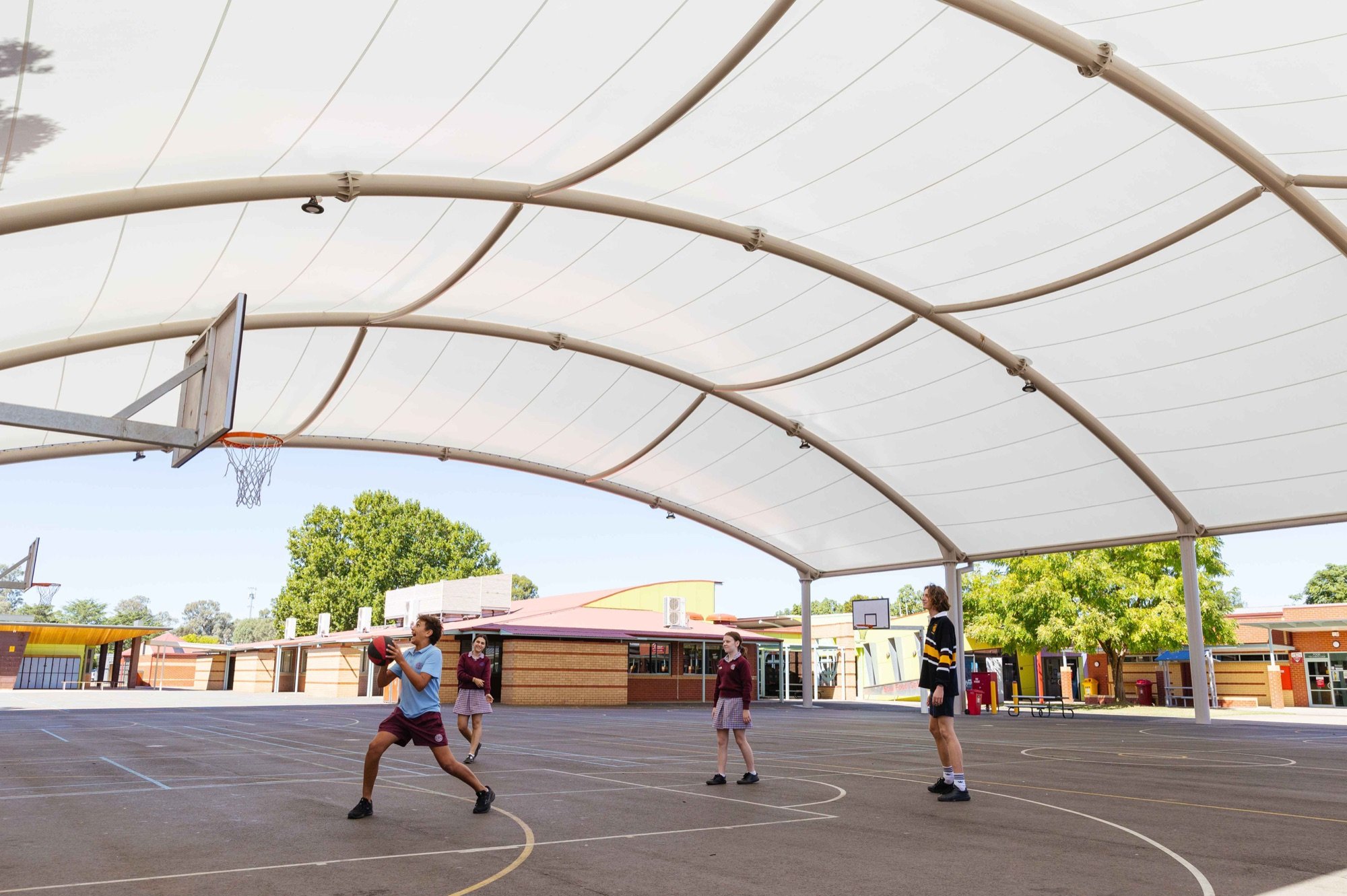
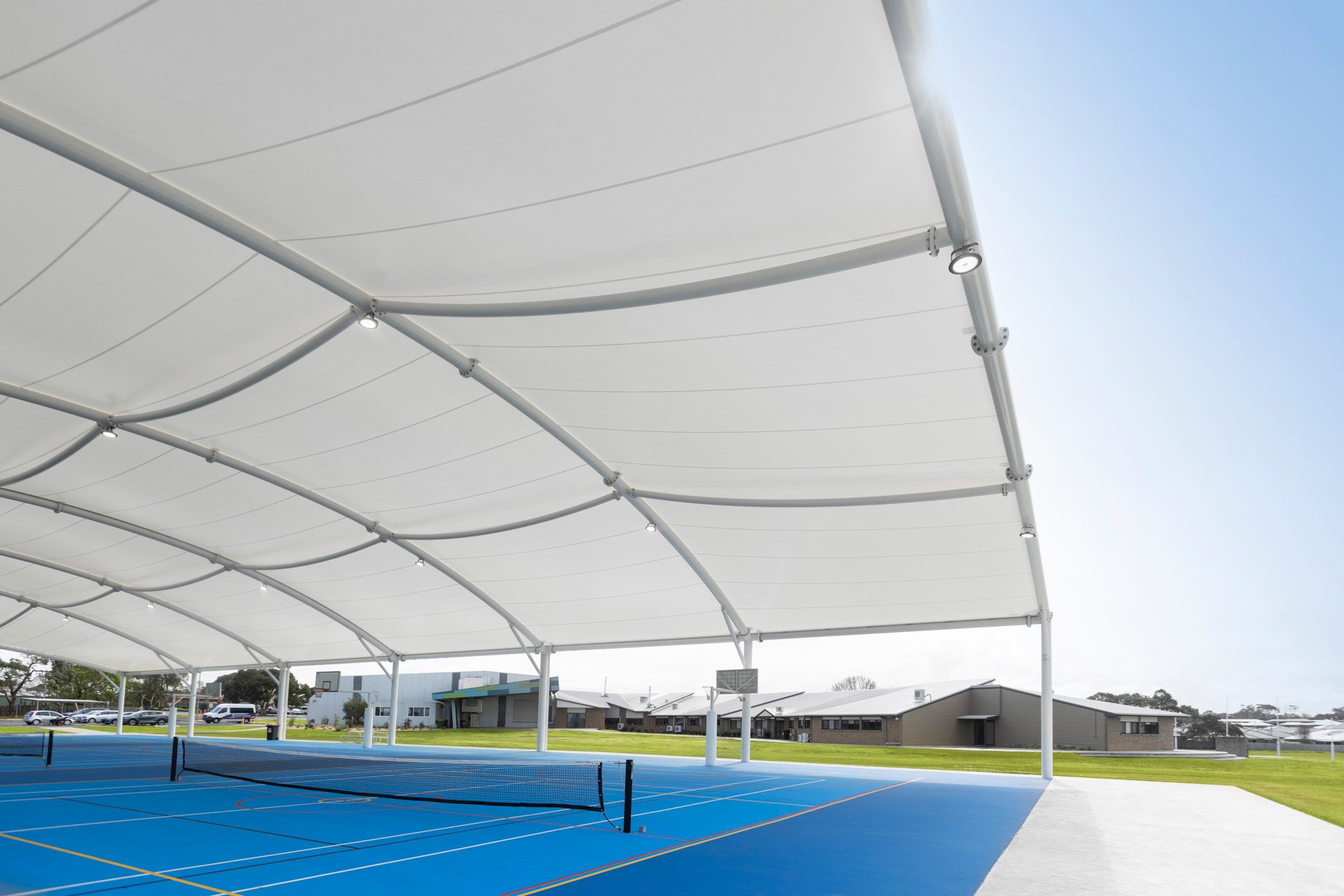
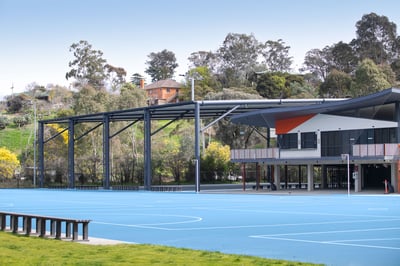
- Shade infrastructure
- Change rooms
- Spectator viewing amenities
- New equipment
- Additional money for memberships
- Funds for hosting major sporting events
- Financial assistance to support grassroots sport
Eligibility criteria vary considerably between programs, so reading each set of guidelines before deciding which grant to pursue will save time down the track.
Who provides funding for sporting clubs?
Several organisations fund sporting clubs across New South Wales. The NSW Office of Sport administers the Local Sport Grant Program, which is the most commonly accessed pathway for grassroots clubs.
Registered clubs distribute substantial community funding through ClubGRANTS, which is a scheme that redirects a portion of gaming machine revenue toward local sporting, welfare, and community organisations. This is one of the more underutilised funding sources for smaller clubs.
At the federal level, the Australian Sports Foundation offers clubs a tax-deductible fundraising platform alongside grants for capital works and development projects. Many local councils also run their own community grant rounds, and sporting clubs are frequently eligible for these alongside state-level programs.
How long do applications take to be approved?
Timelines differ between programs. For the Local Sport Grant Program, the period from the close of applications to funding confirmation is typically four to five months. ClubGRANTS operates at the local district level, so timelines vary depending on your area and when your local committee convenes.
Council grants follow their own schedules and are often assessed quarterly or bi-annually. Regardless of which program you are pursuing, planning well ahead of your intended project start date is important, as approvals rarely arrive on short notice, and construction or procurement timelines need to be factored in from the outset.
The Local Sport Grant Program
The Local Sport Grant Program, administered by the NSW Office of Sport, provides funding of between $2,000 and $20,000 to local, not-for-profit sport clubs and associations across New South Wales.
It is designed to increase ongoing participation in sport, improve club capabilities, and make sport more accessible for underrepresented groups such as culturally and linguistically diverse communities, First Nations peoples, LGBTQIA+ individuals, and people with disabilities.
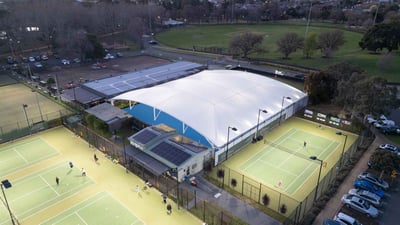
The program provides $4.65 million in funding to sporting organisations in New South Wales, with $50,000 available per electorate. Eligible projects include facility upgrades, equipment purchases, participation programs, and community sport events. Infrastructure projects that improve access and usability, including covered playing areas and weather protection, sit within the program's scope.
Applications are submitted through the SmartyGrants portal. To be eligible, clubs must be incorporated not-for-profit organisations whose primary purpose is organising sporting activity. Visit the NSW Office of Sport website for current round dates and application guidelines.
ClubGrants Category 3: Sport and Recreation Infrastructure
The objective of the ClubGrants Category 3 Infrastructure Grants program is to fund the costs of construction, alteration, renovation, completion and fit-out of buildings and community infrastructure to deliver outcomes for disadvantaged communities.
These include regional, remote and drought-affected areas, culturally and linguistically diverse, disability and Aboriginal and Torres Strait Islander communities and disaster-affected communities
This program is administered by the NSW Office of Responsible Gambling and targets larger-scale infrastructure projects. Eligible organisations include not-for-profit organisations responsible for operating and maintaining the infrastructure, and registered clubs are eligible given that ClubGrants funds are derived from gaming activity.
Applications are assessed on project impact, feasibility, and alignment with program objectives. Projects must demonstrate clear community benefit and public access. Visit the NSW Government ClubGrants page for current program guidelines and application details.
Eligibility criteria
To be eligible for the Local Sport Grant Program, your organisation must be an incorporated, not-for-profit sporting club whose primary purpose is to organise sporting activities, deliver ongoing programs, or develop members' skills.
Licensed sporting clubs may be considered where the project directly benefits the sport rather than administrative operations. Clubs affiliated with schools, churches, or universities are also eligible provided they are independently incorporated as not-for-profit entities in their own right.
Confirming your incorporation status and alignment with these criteria before you begin your application will save time and prevent a wasted submission.
Submitting your application
Most applications follow a similar structure: confirm eligibility, gather your documentation, and submit through the relevant platform before the closing date. The Local Sport Grant Program uses the SmartyGrants portal, which lets you save progress and complete your application in stages.
Starting well ahead of the deadline gives you room to gather supporting material, review budget figures, seek quotes, and have your submission checked before you finalise it. A rushed application rarely reflects the quality of the project it represents.
1. Check you are eligible
Eligibility requirements differ between the Local Sport Grant Program, ClubGRANTS, and council-administered rounds, so qualifying for one program does not mean you qualify for all. Before preparing any documentation, confirm your club meets the specific criteria for the program you are targeting.
The NSW Office of Sport website carries the most current guidelines for the Local Sport Grant Program. If you are uncertain whether your project qualifies, contacting the administering body directly before you begin is straightforward and often resolves the question quickly, saving considerable time.
2. Prepare your application
Strong applications include a clearly scoped project description, an itemised and realistic budget, evidence of community benefit, and relevant supporting documents such as quotes, site plans, or a board resolution endorsing the project.
Applications with vague budget figures or loosely defined outcomes are consistently weaker than those with specific, well-supported detail. The Office of Sport recommends familiarising yourself with the SmartyGrants form before you begin filling it in, particularly if it is your first time applying, as the structure of the questions shapes how you present your case to assessors.
3. Submit your application
Complete all sections, attach your supporting documents, and submit through SmartyGrants before the round's closing date. Successful submissions generate an automated acknowledgement email containing a PDF copy of your application and a timestamped confirmation of receipt; keep this on file.
The assessment period typically runs for several months after the round closes. Note the advised review timeline stated in the program guidelines, and follow up with the administering body if you have not received a response within that window.
Tips for securing a grant
Applying for funding is a competitive process, and well-prepared applications consistently perform better than those written close to the deadline.
The tips below apply to the Local Sport Grant Program as well as most other funding programs your club might pursue. Following them will not guarantee success, but skipping them will reduce your chances of it.
Identify what you are funding
Before you begin writing, settle on a single, clearly defined project. Assessors respond better to focused submissions than to applications trying to cover several aims at once. Know exactly what you are funding, why it is needed, and what outcome it is expected to produce for your club and community.
If you have several projects in mind, consider whether each warrants its own separate application rather than being combined into one submission that lacks direction. A tight project scope makes budgeting more credible and the application easier to assess.
Read up on eligibility
Each sports-related grant in New South Wales operates under its own eligibility conditions, documentation requirements, and assessment criteria. Reviewing these carefully before you start is not just a procedural step. Submitting an ineligible application wastes your time and volunteers' effort, and delays funding that might otherwise go to your club through a more appropriate program.
Pay close attention to requirements around incorporation status, project type, and club classification. If the program includes a list of eligible sports or project categories, confirm your application maps clearly onto one of them before you proceed.
Plan out your application
Build a preparation timeline that gives you enough room to gather quotes, draft supporting material, and have your application reviewed internally before the deadline. If a committee resolution is required to formally endorse the project, factor in time to schedule and minute that meeting before you begin writing.
SmartyGrants allows you to save progress incrementally, so starting early and completing sections across several sittings is a practical approach. Applications assembled in the final days before a deadline tend to have gaps that more carefully prepared submissions do not.
Set reachable goals and a detailed budget
Grant assessors look for budget submissions that are specific, justified, and grounded in actual costs rather than broad estimates. Itemise every component of the project, use real quotes wherever possible, and account for contingency without inflating figures beyond what the work genuinely requires.
Frame your project goals in terms of the outcomes the program is designed to produce, such as increased participation, improved community access, or upgraded facility standards. Applications that speak directly to what the funding body is trying to achieve through the program are more persuasive than those written from the perspective of what the club wants.
Consider the decision maker
Every grant program is designed to advance a specific set of priorities. Understanding those priorities and writing your application around them is more effective than a generic description of your project.
Read the program guidelines closely for language about what the funding body values, and let that shape how you frame your case. A clearly structured, well-proofread submission signals that your club has the capacity to manage a funded project with the same care it brought to the application.
What to do after you’ve received your grant
Once funding is confirmed, you will receive a funding agreement outlining your obligations, including reporting requirements, acquittal deadlines, and any conditions on how funds can be used. Review this document carefully and keep it accessible throughout the project.
Most programs require a final acquittal report confirming expenditure and outcomes achieved, so documenting your project with photos, invoices, and participation data as you go makes this process much more manageable. Submitting a clean acquittal on time builds credibility with the funding body and puts your club in a stronger position when future grant rounds open.
We work with clubs across Australia on projects of all sizes, from individual shade sails to large-scale weather protection structures. Use our project estimate tool to explore your options and get a clearer sense of costs before your build begins.