GRANTS
If you run or manage a sporting club in Queensland, there's a chance you're leaving money on the table. State government and community grants exist to help QLD clubs cover new facilities, equipment, memberships, and events.
Whether your club runs weekend junior football, hosts a lawn bowls green, or puts on a major regional tournament, funding is available to help offset the cost. These programs exist to strengthen community sport, and infrastructure like shade structures, change rooms, or equipment upgrades sits squarely within scope.
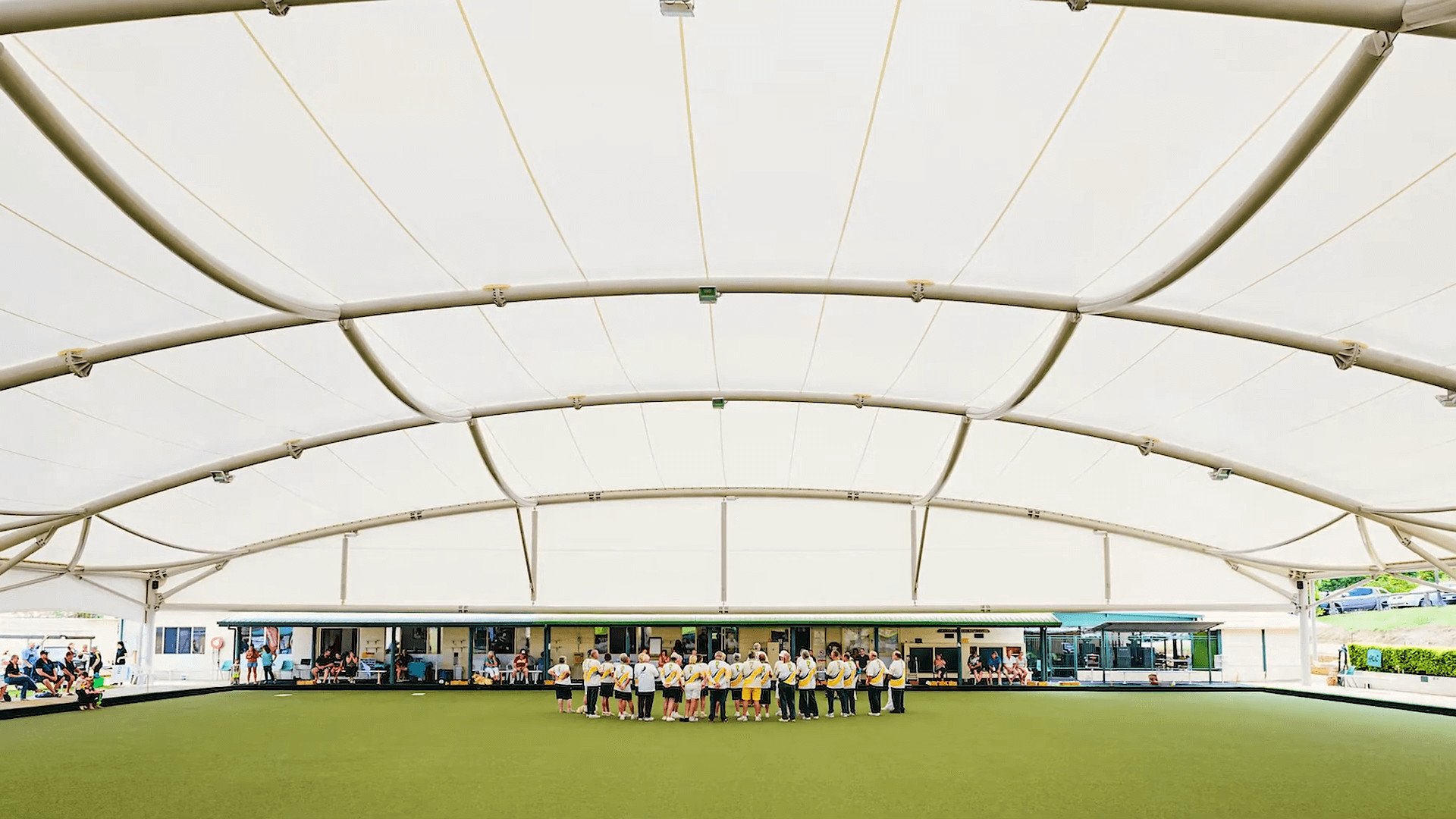
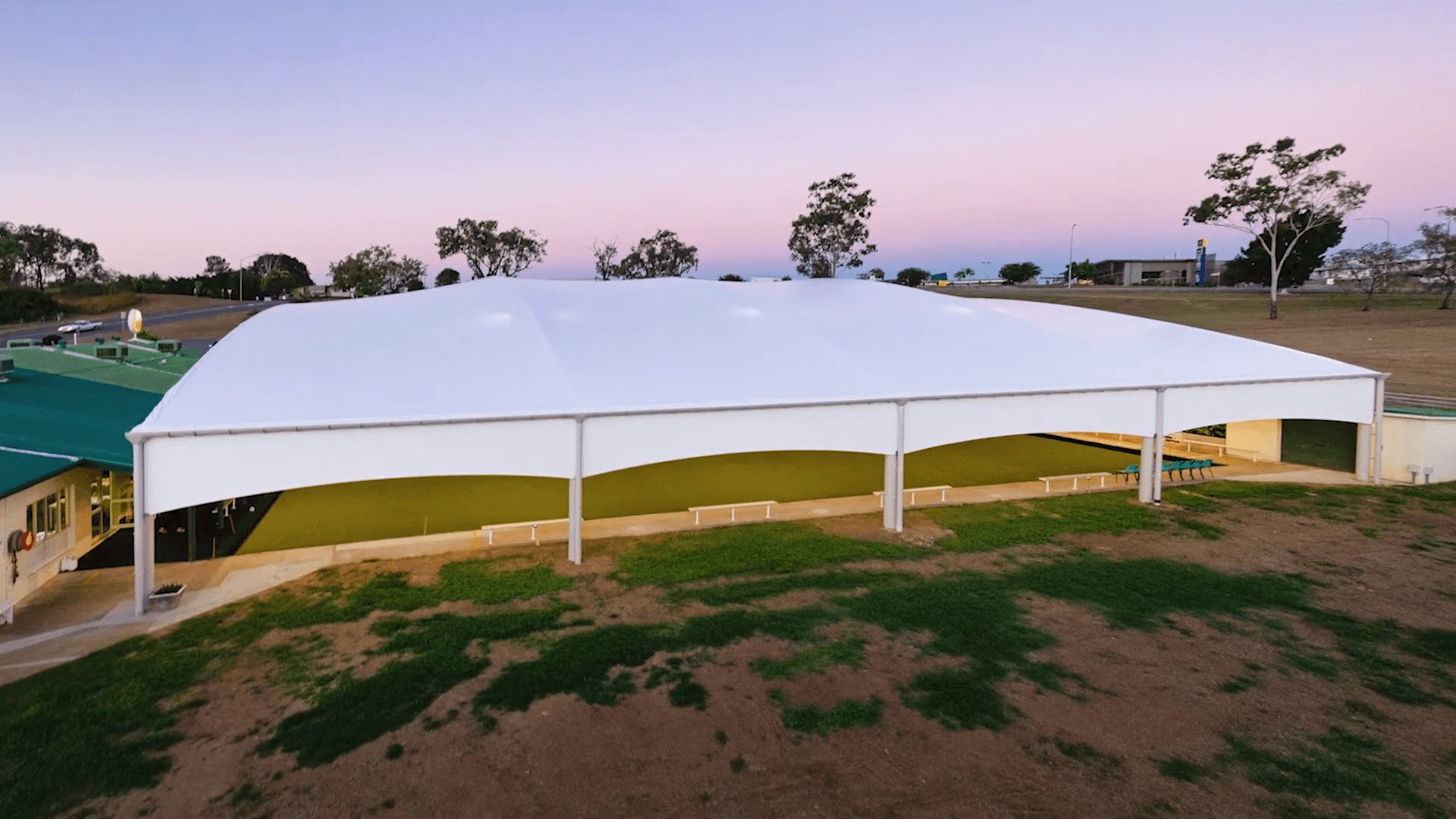
The Minor Infrastructure Program, run through the Queensland government's Sport and Recreation division, funds new, upgraded, and end-of-life infrastructure for eligible organisations. Shade structures fall within scope, since weather protection is a recognised part of delivering safe, usable community sport facilities.
The program typically runs across two categories: one for inclusive and accessible upgrades, such as change rooms that meet universal design standards, and another for the safety and efficiency of playing fields and ancillary facilities. Funding caps and round dates shift year to year, so check the current Queensland government funding page directly before preparing an application, rather than relying on figures from a past round.
The Gambling Community Benefit Fund, or GCBF, is one of Queensland's largest community grants programs and distributes tens of millions of dollars annually to not-for-profit groups, sporting clubs included, helping them deliver services and activities that wouldn't otherwise be affordable.
The GCBF typically runs several rounds each year: a larger super round plus a handful of standard rounds with smaller caps. Round dates and amounts change annually, so check the current schedule on the justice department site before planning around specific closing dates.
This grant funding requires eligible organisations to be both a legal and sponsored entity, meaning it has to have non-for-profit objectives and is properly registered as an organisation or business.
To further learn about eligibility requirements and understand your organisation’s responsibilities throughout all stages of the grant funding process, read the guidelines for GCBF applicants and instructions for applying for the GCBF grant.
Grants for sporting clubs and active recreation organisations can cover a wide range of costs, not just infrastructure. Depending on the program, funding might go toward:
Most clubs assume grants only cover capital works, but plenty fund softer costs too, like coaching accreditation or event delivery. Read the fine print rather than ruling a program out because its name sounds infrastructure-only.
The Queensland government is the main source of funding for sporting clubs, running programs through Sport and Recreation and other departments. Local councils also run their own smaller grant rounds, often tied to specific facilities, and these are worth checking since they're less competitive.
Beyond government, some private companies and industry bodies contribute funding to community sport as part of broader participation or sponsorship goals. It pays to check both state-wide and local council grant pages, since the two rarely overlap and one won't flag the other.
Timelines vary, but most sport and recreation grants in Queensland take somewhere between three and five months from the close of applications to a funding decision. Larger infrastructure programs sit at the longer end of that range because applications go through more layers of review.
Once approved, you can start building, purchasing, and installing. Plan your timeline around this lag, especially if you're coordinating with a contractor or trying to hit a season deadline. Applying early doesn't speed up approval, but it gives you more runway if anything needs resubmitting.
The obvious benefit is that you're not funding infrastructure out of your own budget. That frees up money for other priorities, whether that's coaching, equipment, or keeping membership fees affordable for families.
There are less obvious benefits too. Grant-funded infrastructure tends to get used more, because it's visible proof the club is investing in its members. A new shade structure or covered walkway changes how people use the space, particularly during Queensland's hotter months, when uncovered areas sit empty and sessions get cut short. It also signals to sponsors and councils that your club can manage a funded project, which helps with future applications.
Eligibility for Queensland sport and recreation funding follows a consistent set of principles, regardless of program. Risk to government is weighed against the activities and organisations involved, and eligibility ties to whether your project supports genuine participation outcomes.
Human rights considerations factor into decisions, and where another agency shares responsibility for part of your project, that gets coordinated rather than assessed alone. In practice, assessors look for clubs that can demonstrate real community benefit and sound risk management. If you're unsure whether your project fits, most programs list eligibility criteria on their application pages, worth checking before investing time in a full application.
Every Queensland sport and recreation grant follows roughly the same three-stage path: confirm you're eligible, prepare a complete application, then submit it before the round closes. The details differ program to program, but clubs that treat these as separate, sequential steps rather than rushing straight to the form tend to end up with stronger applications.
It's mostly documentation and timing, but getting the sequence right is what separates applications that get funded from ones sent back for missing information. The three steps below walk through each stage in order.
Before filling out any forms, read through the eligibility guidelines for the specific program you're applying to. Every program has its own quirks, and what qualifies for one won't necessarily qualify for another, even within the same department.
If you're unsure whether your project fits the criteria for a particular fund, reach out directly to the program administrator rather than guessing. Greenline's consultants can also help you work out which grant program matches your shade structure needs, since we've seen which applications get funded and which stall on eligibility technicalities.
Most Queensland grant applications go through an online portal, and it pays to look at the form well before you intend to submit, rather than opening it for the first time on deadline day. Some programs require supporting documents like quotes or proof of not-for-profit status, and tracking these down usually takes longer than expected.
Give yourself enough runway to gather everything. A rushed application with missing attachments is one of the most common reasons otherwise-eligible clubs miss out, and it's entirely avoidable if you start early and work through requirements methodically.
Once everything is prepared, work through each section carefully and attach all required documentation. Double-check that you haven't left mandatory fields blank, since incomplete submissions are often rejected outright rather than sent back for correction.
After submission, most programs will send a confirmation receipt or reference number. Keep this somewhere accessible, along with a copy of everything you submitted, in case you need to follow up on the status of your application or respond to a request for additional information during the assessment period.
None of this guarantees funding, since these programs are competitive and plenty of well-run clubs miss out in any given round. But a handful of habits consistently separate applications that succeed from ones that don't, and most have nothing to do with the size of your project or how long your club has been around.
They come down to clarity, timing, and understanding who's actually reading what you submit. The five habits below are worth building into every application your club puts forward.
Before you apply for anything, get clear on exactly what the money is for. A well-defined, single project is far more likely to succeed than a vague request covering several different needs at once, because assessors can see exactly what outcome their funding will deliver.
Committees sometimes try to stretch one application across multiple wish-list items, hoping to cover more ground. In practice, this weakens the case rather than strengthening it. Pick the project that matters most right now, whether that's a shade structure over your main oval or new change room amenities, and build your entire application around that single goal.
Eligibility requirements exist for a reason, and skipping past them is the most common way clubs waste hours on a submission that was never going to succeed. Read the terms and conditions in full, not just the landing-page summary.
Pay attention to details like organisational structure, project type restrictions, and any caps on funding amount or grant history, since these are the criteria that trip up otherwise strong applications. If anything is ambiguous, most programs list a contact for questions. Use it. A five-minute phone call can save you a weekend spent on an application that was never eligible in the first place.
Treat your application like a project with its own deadline, not something squeezed in after everything else is done. Set a timetable working backwards from the closing date, with buffer built in for gathering documents, getting quotes, and having someone else review your draft.
Organisations that plan well in advance tend to submit stronger, more complete applications, simply because rushed work shows. Build in time for at least one round of revision, and don't leave document collection, like proof of registration or committee sign-off, until the final few days. These are exactly the items that take longer than expected to track down.
Your project scope needs to be realistic, both in what you're asking for and what your club can deliver. Funding is competitive, and an application asking for more than a project needs, or with vague costings, is easy for assessors to knock back.
Break your budget into specific line items rather than a single lump sum, and be ready to justify each cost. A detailed, well-reasoned budget signals you've actually thought through the project, not just estimated a number that sounds reasonable. If you're unsure what a shade structure should cost, get a proper quote before applying rather than guessing.
It's easy to write from your own club's perspective and forget that someone unfamiliar with your daily operations has to read and assess it. Write for that person. Explain context they won't already know, and avoid assuming familiarity with your club's history or shorthand.
This extends to the basics too. Proofread for spelling and grammar, keep your formatting clean, and read the whole application aloud before submitting. Small errors won't necessarily disqualify you, but a polished application makes the assessor's job easier, and that goodwill matters when they're working through a stack of submissions against a deadline.
Once your funding comes through, you can move into the build phase: hiring contractors, ordering materials, or scheduling installation around your playing season. Confirm any reporting requirements before you start, since most funding bodies expect updates or evidence of completion once the project wraps up.
At Greenline, we work with sporting clubs across every scale of project , from a single shade structure over a spectator area to larger structures covering a full facility. If you're unsure which option suits your grant and space, our project estimate tool helps you work through the choices before committing to a design.