Expertise / Steel Roof Structures / Gable Roof Structures

STEEL CANTILEVERS

Steel Cantilever Shade Structures: Timeless Design

Gable roof structures have long been a staple in construction, valued for both their clean profile and practical performance. Defined by their triangular form, these roofs are often associated with pitched or peaked roof designs that efficiently shed rain and allow for strong, stable framing.

In commercial environments, they are especially popular for their ability to create wide spans of shade and reliable weather protection. They work well for covered outdoor areas, freestanding shade structures, or as a durable roofing solution integrated into larger projects.

What are cantilevered steel roofs?

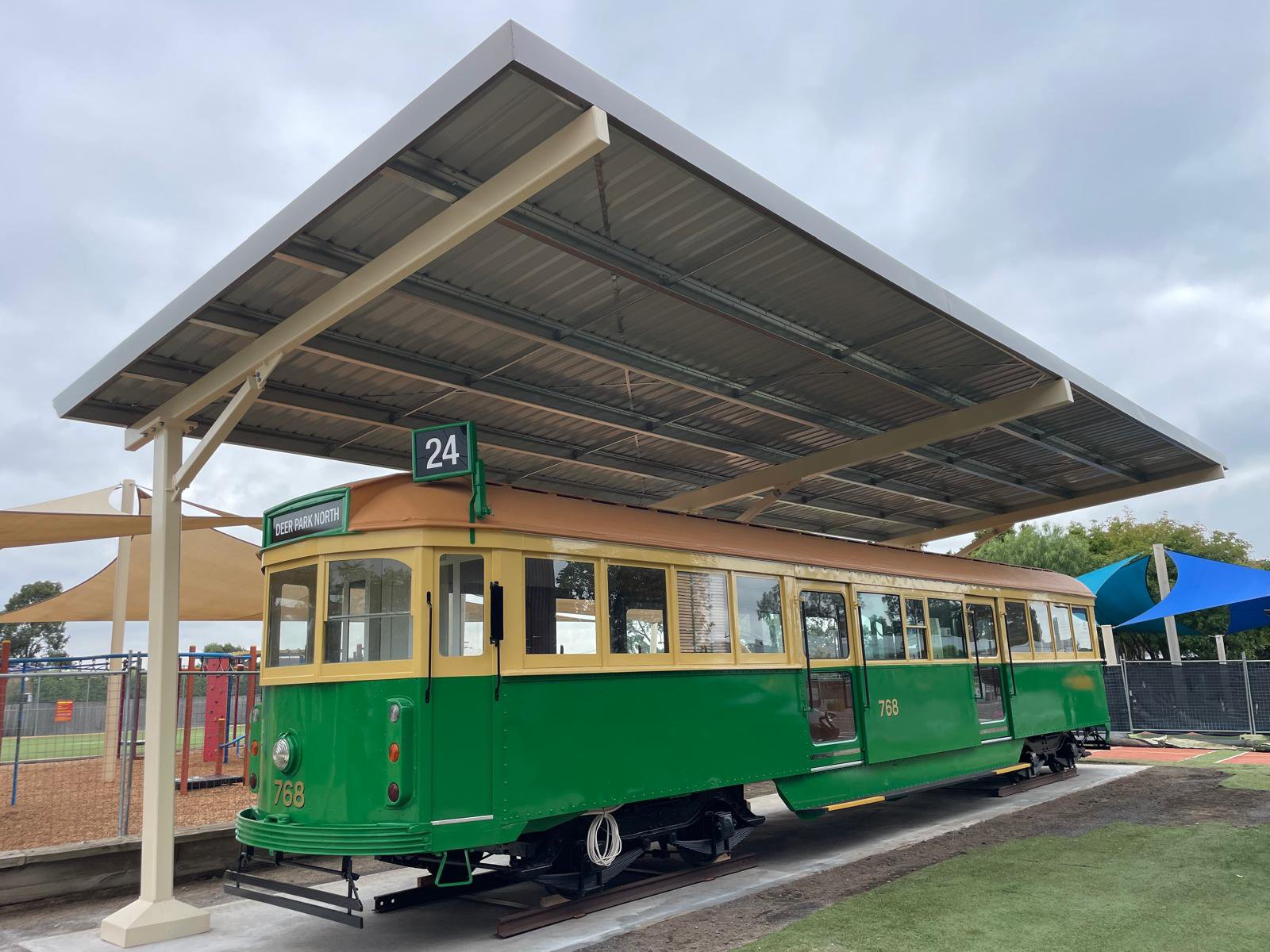
Cantilevered roofs project outward from a fixed rear support, which means no columns at the outer edge and nothing interrupting the space below. The load is managed through tension and compression between the roof, support columns, and foundations positioned behind the coverage area.

For facilities that need clear sightlines, open walkways, or unobstructed courts, that structural logic translates directly into a more functional space. Consolidating all structural elements to one side also simplifies maintenance and makes integration with existing buildings considerably more straightforward.

Why this design works

The main appeal of a cantilever roof design is the freedom it gives to the space below. No columns in the activity zone means more usable space, better circulation, and fewer obstacles for the people using it.

Cantilever designs make installation easier too. Steel members can be fabricated off-site and assembled on location, which keeps disruption to a minimum during the build. For active school campuses or community facilities that can't afford extended downtime, that efficiency has real operational value.

Visually, cantilever structures have a clean, low-profile look that integrates well with existing buildings. Flashings and colour finishes can be matched to the surrounding space, so the structure feels considered

Key applications

Cantilever structures suit any site where unobstructed movement and reliable weather protection are both required. Here are the most common applications.
Stadium-Lt
CAR PARKS

Column-free coverage means vehicles can manoeuvre freely without structural obstacles getting in the way. Cantilever roofs also protect paintwork and interiors from UV damage and rain year-round.

Solar-Lt
OUTDOOR SEATING AREAS

Shaded, weather-protected seating extends the usability of outdoor spaces across all seasons. For hospitality and retail environments, that translates directly into longer dwell times and a better visitor experience.

Pickleball-Lt
PLAYGROUNDS

Reliable sun and rain protection keeps playgrounds and recreation areas usable throughout the year. Particularly valuable for schools and councils managing duty-of-care obligations around UV exposure.

Hospitality-Lt
OUTDOOR DINING AREAS

Year-round dining requires more than good food: weather protection keeps covers full regardless of the forecast. A well-designed cantilever structure maintains the ambience without cluttering the space with columns.

Sustainability-Lt
WALKWAYS

Covered walkways protect staff, students, and visitors moving between buildings in all weather conditions. On large campuses or multi-building facilities, they also improve wayfinding and pedestrian flow.

SportsAndRec-Lt
SPORTS FACILITIES

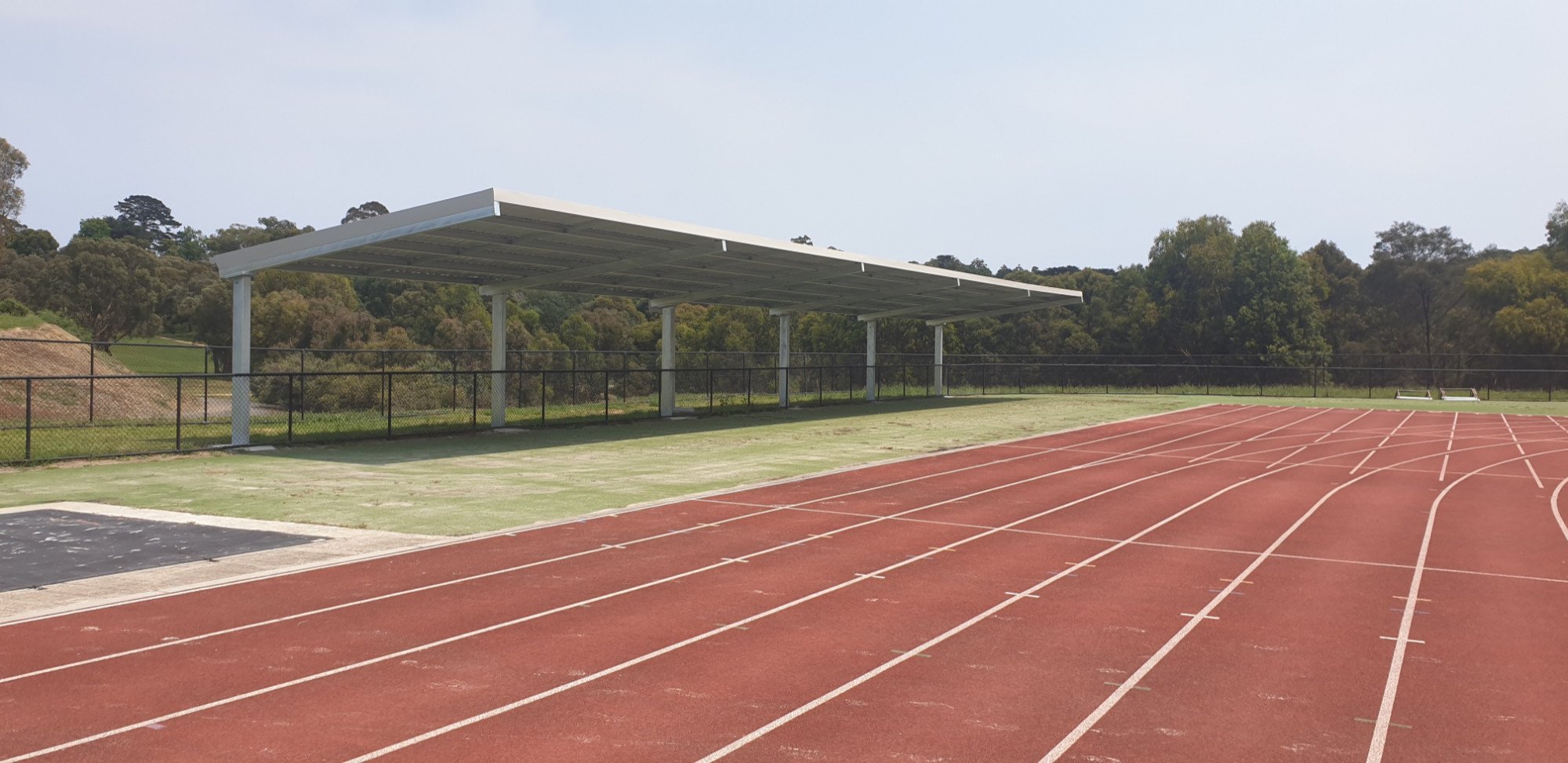
Cantilever structures are well-suited to spectator seating, player marshalling areas, and court-side coverage. Clear sightlines and wide spans mean the structure never competes with the activity it's sheltering.

GL-Icon-White

We deliver projects on time, within budget, and to the highest quality standards.
$200M

in completed projects since 2016

180,000+

square metres covered since 2020

Building material: steel vs fabric

Steel cantilever roofs are built from structural steel with Colorbond or similar roof sheeting, engineered for long service life, minimal maintenance, and reliable performance in harsh Australian conditions. They're well suited to permanent installations where longevity and load capacity are the priority.

Fabric cantilevers apply the same structural principle but use tensioned membranes in place of rigid sheeting. They're lighter, faster to install, and offer more flexibility in shape and form, making them a practical choice where aesthetics or budget play a larger role in the decision.

Key design elements

Steel cantilever roofs generate a bending moment at the base as the roof projects outward, so the foundation and rear structure carry the full counter-load.

Using steel keeps that engineering slim, allowing the members to handle significant forces without the bulk that other materials would require. A well-designed cantilever typically incorporates.

Angled columns: Positioned with a subtle lean to distribute load efficiently and give the structure a purposeful, considered profile.

Continuous flashings: Sealing roof edges and channelling rainwater away cleanly, protecting both the structure and the surface below.

Soffits: Finished in fibre-cement or complementary cladding, particularly where the structure is visible from below at eye level.

Concealed downpipes and integrated lighting: Routed within the structure to keep the exterior clean and avoid the cluttered look of exposed services.

Transform your outdoor space with Greenline

Designing and constructing a cantilever roof is a straightforward process when you have the right partner. Greenline manages everything from consultation and engineering through to fabrication and final installation under a single contract.

Before work begins, you'll have a clear picture of the cost, timeline, and expected outcome. One partner, one process, and full confidence in the result.

Reuben Wallace-Square
REUBEN WALLACE   Business Development Manager - NSW/ACT