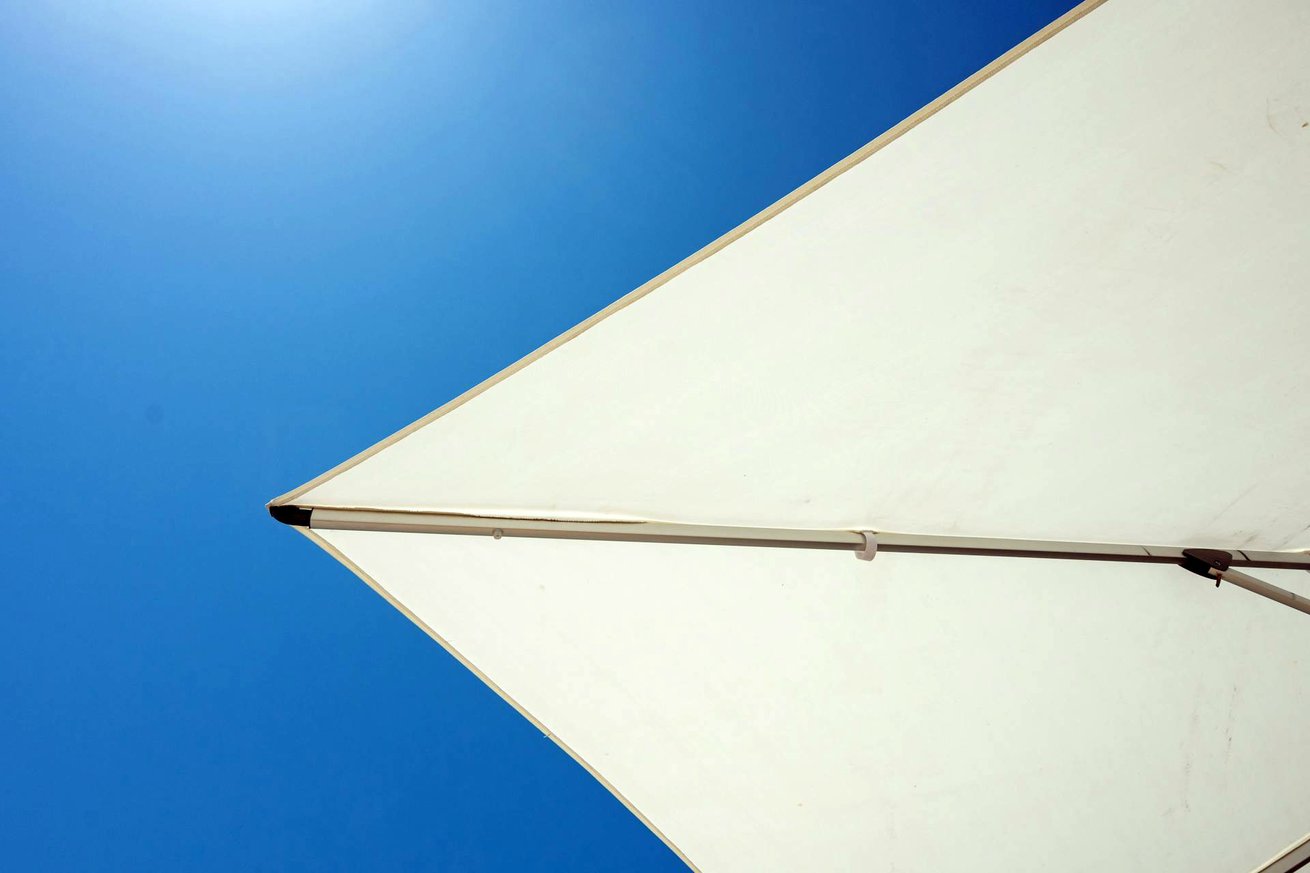
Shade decisions often start as operational necessities and quick fixes aren't uncommon. Portable shelters, dome shades, and large marquees can be installed fast to solve an immediate problem.
Where projects tend to unravel is when those short-term solutions stay in place longer than planned. How long will they really last and what do they really cost you over time?
In this guide, we look at the key differences between temporary and permanent shade structures. It focuses on build quality, material choice, compliance, and long-term cost, so decisions are made with the future of the space in mind, not just today’s pressure.
Defining the Need
Temporary and permanent shade serve very different purposes, and the right choice depends entirely on how the space is expected to function over time.
Temporary shade structures are designed for flexibility and short-term use. Portable canopies, dome shelters, and large event marquees can be installed quickly and removed just as easily. They work well for events, seasonal activities, temporary site operations, or situations where layouts change regularly. Their strength lies in convenience and speed, not longevity.
Permanent shade, by contrast, is infrastructure. It is designed to support daily use, fixed programs, and long-term duty of care. Once shade becomes integral to timetables, circulation, or safety expectations, a temporary solution starts to carry unintended risk.
At that point, a permanent installation becomes more about reliability, compliance, and reducing the need to revisit the same decision every few years, as opposed to an optional extra.
Design Life and Intended Lifespan
Design life is one of the clearest distinctions between temporary and permanent shade, and one of the most often overlooked.
In simple terms, design life describes how long a structure is engineered to safely perform under real conditions. That includes weather exposure, wind loading, and day-to-day use. Temporary shade structures are typically designed for a service life of between 2 to 10 years.
Some higher-end modular systems can extend to 20 or even 25 years with disciplined maintenance, most commonly in industrial environments, but they still rely on lighter materials and simplified structural assumptions.
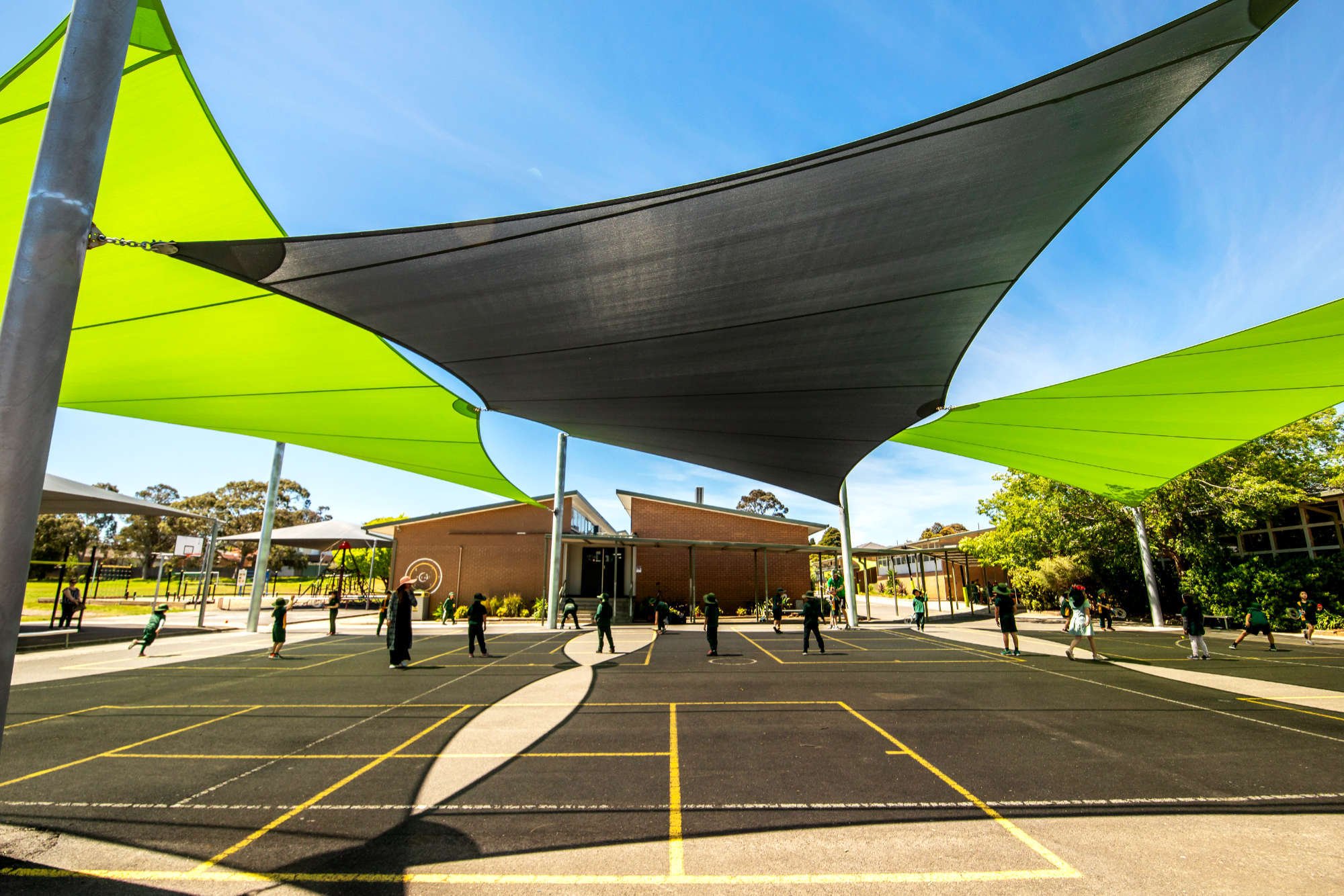
Permanent shade structures are engineered for long-term service. A minimum design life of 50 years is standard, which requires larger and more durable members, higher safety margins, and explicit allowance for fatigue and extreme wind events over decades.
Engineering Standards and Load Assumptions
In Australia, permanent shade structures are designed to meet structural design standards, including wind actions under AS/NZS 1170.2:2021 and broader load requirements in AS/NZS 1170.0.
The wind-actions standard specifies how to calculate design wind loads based on the site’s wind region, terrain category and shielding, and return period appropriate for the structure’s importance. These factors determine, wind pressure, size of members, and connections needed to resist that loading safely over time.
For example, regional wind speeds used in design can vary significantly depending on location and the chosen return period. In non-cyclonic areas, the minimum design wind speed (for a 50-year return period) can be around 30-40 m/s, but in more severe regions these figures rise and are factored into the structural design calculations.
Temporary shade structures typically rely on more generalised assumptions rather than detailed site-specific analysis. Their design prioritises rapid deployment and portability, which limits how much load they are engineered to resist.
That approach may be appropriate for short-term use, but it also sets a clear performance ceiling. A structure can only safely do what it has been engineered and certified to do; there’s no inherent allowance for higher loads or future changes.
For decision-makers, understanding what assumptions lie behind a structure’s design is critical. Two shade systems can look similar at first glance, but if one is engineered in accordance with formal load standards and the other is not, their behaviour and durability over the long term will differ substantially.
How the Structure Is Built
At a glance, temporary and permanent shade structures can appear similar. Both provide cover and improve how a space is used. The difference becomes clear once you look at how they are built and how they respond to ongoing exposure.
Shade structures are lightweight and largely exposed, which means they move under everyday wind conditions, not just during extreme events. Unlike enclosed buildings, this movement is continuous. Over time, repeated wind loading creates fatigue in frames, cables, membranes, and fixings, particularly at connection points.
Temporary structures rely on lightweight frames and simplified fixings to allow for fast installation and removal. They are often surface-mounted or ballasted rather than permanently anchored, and they are not engineered for decades of cyclic loading.
While they may perform adequately early in their life, ongoing exposure to wind, UV, and movement gradually degrades materials and connections. In higher wind regions or exposed sites, this fatigue becomes a significant factor well before the end of their apparent service life.
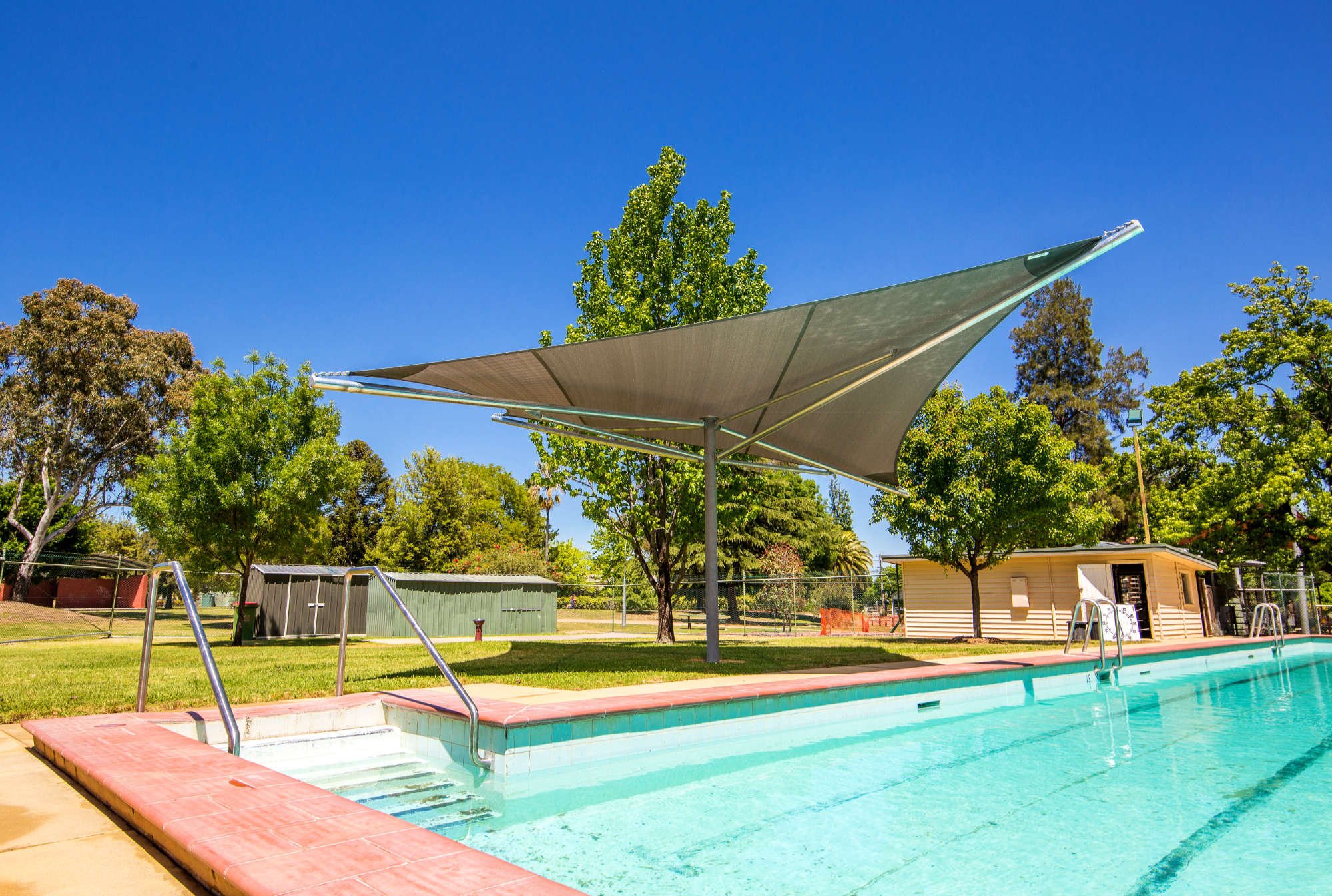
Permanent shade structures are designed with this in mind. They are fully engineered systems with certified connections, purpose-designed footings, and allowances for integrated elements such as drainage and lighting.
Engineers design for both ultimate wind events and long-term fatigue, accounting for the cumulative effects of movement over many years. This is why permanent structures use more robust members and connection details.
They are not only designed to withstand severe weather, but to remain stable, serviceable, and reliable between events, year after year.
Compliance and Safety Risk
Temporary shade structures often avoid the full approval and certification pathway required for permanent builds. While this can save time upfront, it also means accepting greater responsibility for inspection, maintenance, and replacement.
Permanent shade structures go through a full design, engineering, and approval process in line with Australian Standards. This provides clearer compliance, better insurability, and greater confidence in performance, particularly for schools, clubs, and organisations with ongoing duty-of-care obligations.
When Temporary Becomes Permanent
In practice, many temporary shade structures remain in place far longer than originally intended.
Over time, this creates a grey zone where the structure is relied upon daily but was never engineered or certified for long-term service. Maintenance expectations increase, compliance becomes unclear, and responsibility for performance shifts back onto the owner or operator.
This is often where costs escalate. Temporary structures may require increasing inspection, repair, or partial replacement as materials age. If upgrades are needed to meet evolving safety or compliance expectations, retrofitting can be complex and inefficient.
Recognising when a temporary solution is becoming operationally permanent is critical. At that point, the question is no longer about speed or flexibility, but whether the structure is genuinely suited to the role it now plays.
Upfront Cost vs Long-Term Value
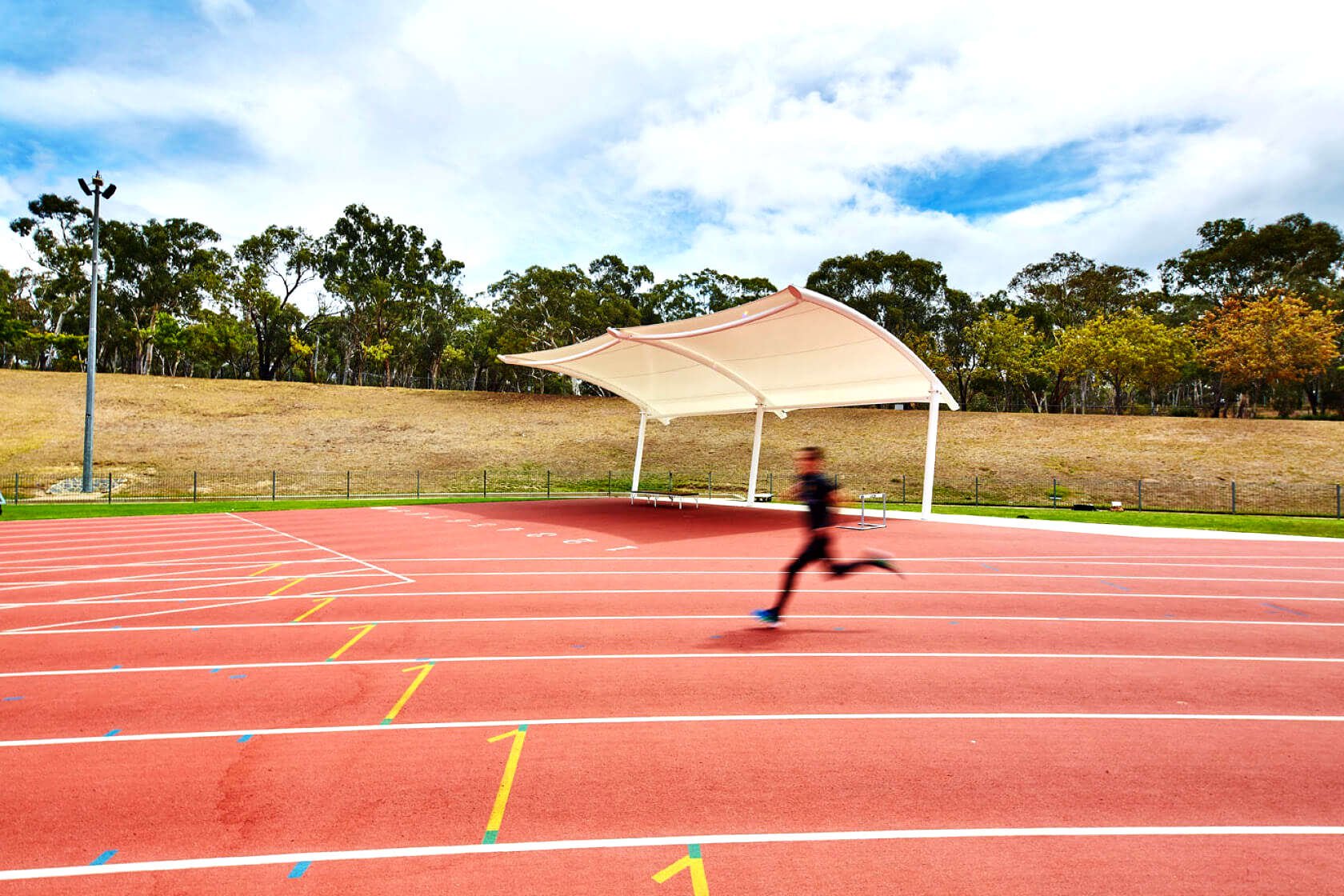
Upfront, temporary shade almost always appears cheaper. But what happens when you spread those costs over time?
Let’s look at the annualised view. A large temporary marquee might cost between $100,000 to $250,000 to install and last ten years. There are additional costs such as install, disassemble, repair, or downtime costs that will also be ongoing.
Now compare that with a permanent shade structure. While the upfront cost may be two or three times higher, its lifespan extends beyond 50 years with relatively minimal maintenance. Permanent structures are designed to rigorous standards, ensuring your investment remains secure for many years to come.
There’s also the matter of disruption. Replacing temporary shelters every few years means repeated site access, labour, and lost operational time. A permanent canopy is a one-time project, installed once, used every day.
Designing for the Future
A shade structure should do more than address an immediate need. It should support how the space is expected to function over time.
Permanent structures allow for forward planning at the design stage. Capacity can be built in for future lighting, services, or energy systems, and the structure can be configured to extend or adapt as site use evolves. This approach reduces the likelihood of retrofits or replacement when requirements change.
Making the Right Choice
If you need short-term coverage for an event or temporary site, a dome shelter or modular marquee might be the right call. But if you’re thinking about the next 10, 20, or 50 years, a permanent structure is the smarter investment.
Start by considering how long you need your shade to perform, and what your site might look like in the future. Ask your supplier what design life they are engineering to, and what maintenance will be required over the lifespan of your investment.
If you’d like to explore what a permanent solution could look like for your space, book a consultation with our team. We’ll help you design a structure that fits your needs today and stands strong for decades to come.