

At a Glance
AS/NZS 1530 is the standard series that governs fire testing for construction materials in Australia and New Zeland:
- AS 1530.1: Determines whether a material is combustible or non-combustible.
- AS 1530.2: Measures how readily a thin or flexible material ignites and spreads flame when exposed to a direct flame source.
- AS 1530.3: Assesses early fire hazard behaviour, the four indices of ignitability, flame spread, heat release, and smoke production.
- AS 1530.4: Tests the fire resistance of structural elements: columns, walls, floors, and beams.
For anyone commissioning, specifying, or approving outdoor structures, 1530.1 and 1530.3 are the parts that matter most in practice.
Every fire performance claim made about a building material in Australia traces back to the same testing framework: AS 1530.
It comprises four parts, each designed to measure a distinct aspect of how construction materials behave in fire. The parts aren't interchangeable, and supplier data sheets don't always make clear which one they're citing.
For schools, councils, and sports clubs, AS 1530 tends to come up in two practical situations:
- When a supplier's data sheet lists fire test results that require interpretation, or
- When a project is in a bushfire-prone area and a certifier or fire engineer requires non-combustible materials.
In both cases, what matters is understanding which part applies and what its results actually say.
AS 1530 also connects directly to two broader compliance frameworks. This article covers what each part tests, what the results mean, and where they connect to the decisions that come up in a real project.
Australia's Fire Compliance Framework Explained
AS 1530 is a series, and each part is designed to answer a different question about fire behaviour. The parts work independently, meaning, a result from one says nothing about how a material would perform under a different test.
Non-combustibility under AS 1530.1 determines whether a material satisfies AS 3959 requirements in Bushfire Attack Level (BAL) zones. Fire resistance ratings under AS 1530.4 underpin the NCC's fire resistance level requirements for permanent structures. We've covered what each test measures below.
Part 1: 1530.1: Combustibility of materials
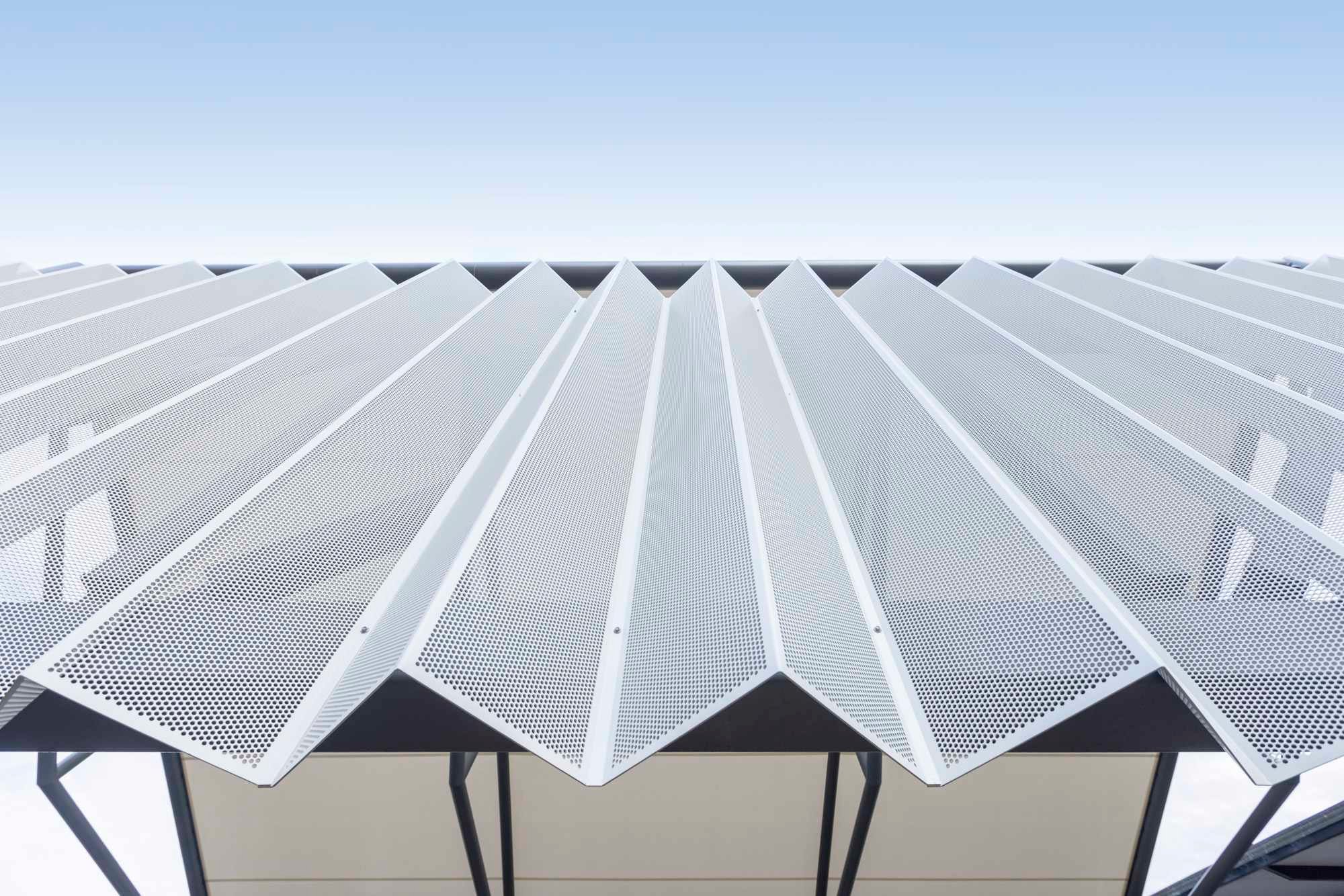
This level is a binary test. A material sample is placed in a small furnace. If the sample sustains flaming for more than five seconds at any point during a thirty-minute test period, it is deemed combustible. If it does not, it is classified as non-combustible.
This single classification has massive consequences for what can be built in regulated environments. The National Construction Code (NCC) specifies non-combustible materials for particular construction types, and AS 3959 requires them for external cladding and roofing elements in BAL-19 zones and above.
Materials that pass this standard can be specified as non-combustible in those contexts without further qualification. Those that don’t must either be excluded or accepted through a fire engineer's performance solution, a separate process that adds time and cost to a project.
For outdoor structures, the consensus is clearer on steel than on membranes. Structural steel passes 1530.1 but HDPE and PVC fabrics do not.
PTFE-coated fibreglass sits in a grey area: its glass fibre base passes, while its PTFE coating does not, and whether the composite is accepted as non-combustible is a certifier determination made project by project.
The 2019 NCC wording change means that automatic deemed-to-satisfy acceptance of PTFE as non-combustible is no longer the prevailing interpretation among certifiers.
Part 2: 1530.2: Flammability of materials
This is designed for thin, flexible materials, such as fabrics, woven shade mesh, and similar sheet products. The test applies a direct flame to a vertically mounted sample and records how quickly it ignites and how far flame travels. This results in a single Flammability Index: the lower the number, the less flammable the material.
It’s worth noting that 1530.2 and 1530.1 are not interchangeable: A material can be combustible under 1530.1 and still record a low Flammability Index under 1530.2. They measure different things:
- One tests whether a material sustains combustion under heat alone
- The other tests how it responds to a direct flame
A shade fabric, for example, may have a Flammability Index that looks acceptable under 1530.2 while clearly failing 1530.1, which is a vital distinction for when a certifier specifies non-combustible materials rather than fire-retardant ones.
The standard is relevant to the assessment of woven fabrics used in outdoor shade applications. It is also commonly cited on fabric and textile data sheets provided by suppliers. Reading it correctly means knowing that a Flammability Index result says nothing about combustibility in the 1530.1 sense.
Part 3: 1530.3: Early fire hazard indices
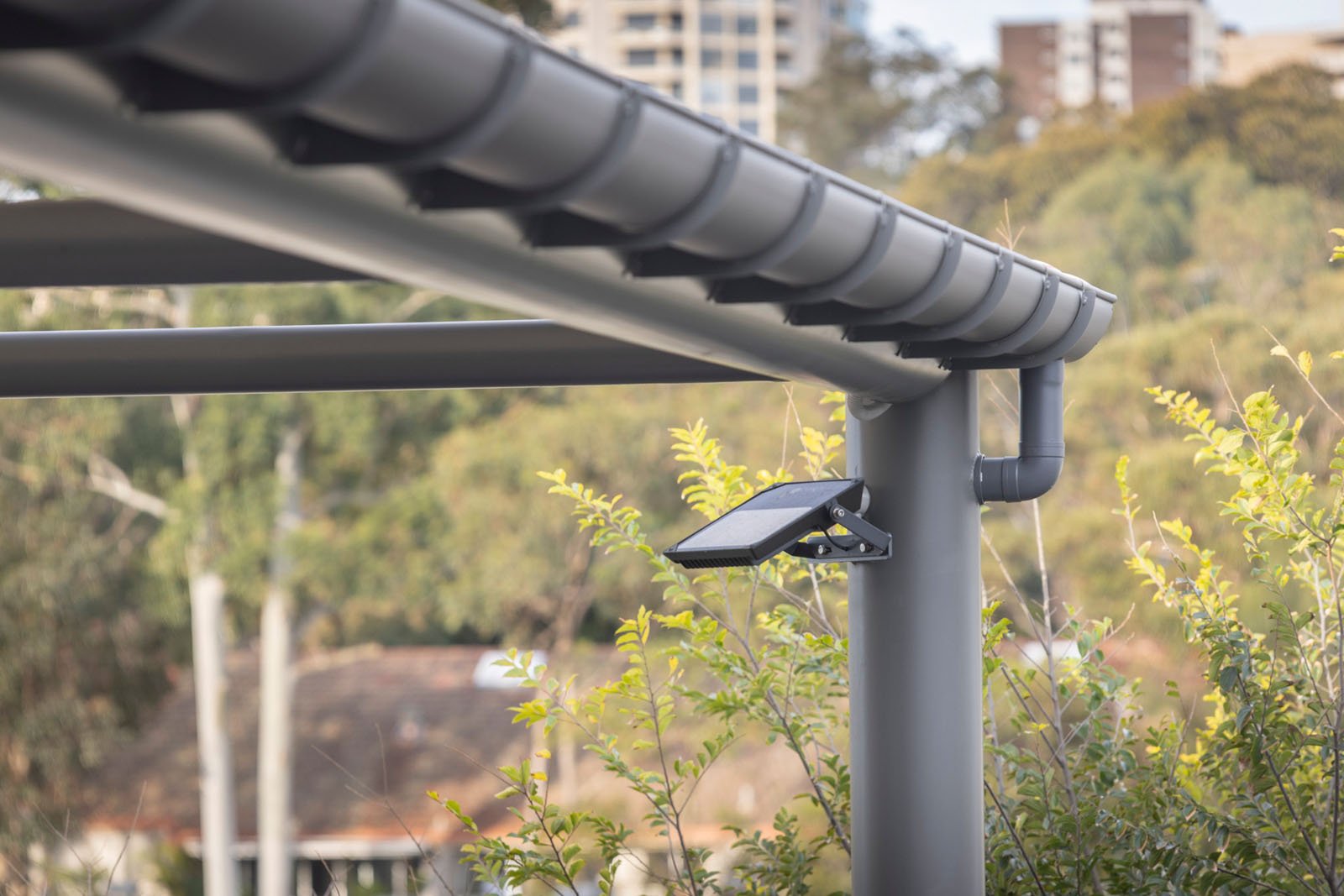
AS 1530.3 is the test most frequently seen on commercial membrane and fabric data sheets. It measures four properties of a material's behaviour during the early development of a fire, before it grows to involve an entire room or structure:
- Ignitability Index: Records the time taken for the material to ignite under radiant heat
- Spread of Flame: Index measures how far flame travels across the material's surface
- Heat Evolved Index: Measures the rate at which the material releases heat as it burns
- Smoke Developed Index: Measures the volume of smoke produced
Each index produces a numerical result: lower is better. A Spread of Flame Index of 0 means no measurable flame spread; a Smoke Developed Index of 0 means no measurable smoke.
When a membrane data sheet shows a Spread of Flame Index of 0 and a Smoke Developed Index of 0 to 1, it is reporting results consistent with PTFE-coated fibreglass under 1530.3; but an important caveat applies: available test data for PTFE fabrics typically tests the woven glass fibre base cloth before the PTFE coating is applied, not the finished composite product.
The performance of the finished coated material may differ. When a data sheet shows a Spread of Flame Index of 8 and a Smoke Developed Index of 7, it is reporting HDPE shade cloth.
Those numbers are not equivalent and comparing them directly is the correct basis for material selection in a permanent outdoor structure, rather than relying on marketing terms like "fire retardant" or "fire resistant," which have no defined standard meaning.
1530.3 does not determine combustibility. A material can have excellent 1530.3 indices and still be combustible under 1530.1. Both results are relevant, but to different questions.
Part 4: 1530.4: Fire resistance level of construction elements
This standard changes the subject from materials to structural elements. Where 1530.1 through 1530.3 assess how individual materials behave, 1530.4 assesses how an assembled element (a wall, a column, a floor, a door) performs under prolonged fire exposure.
This results in a Fire Resistance Level (FRL) expressed as three numbers:
- Structural Adequacy: The element's ability to continue carrying its load
- Integrity: Preventing the passage of flames and hot gases
- Insulation: Prevent excessive heat transfer to the unexposed face
For freestanding outdoor structures like shade canopies, barrel vault structures, and covered outdoor areas not attached to a building, 1530.4 fire resistance ratings are less commonly the front-line compliance requirement.
Where they become relevant is when an outdoor structure is connected to or forms part of an existing building: a canopy attached to a school hall, a covered walkway connecting two buildings, a structure whose supporting columns are built into an existing wall.
In those cases, the junction between the outdoor structure and the habitable building may need to meet fire resistance requirements, and 1530.4 performance data for the structural elements involved becomes part of the compliance picture.
How the standard connects to AS 3959 and the National Construction Code
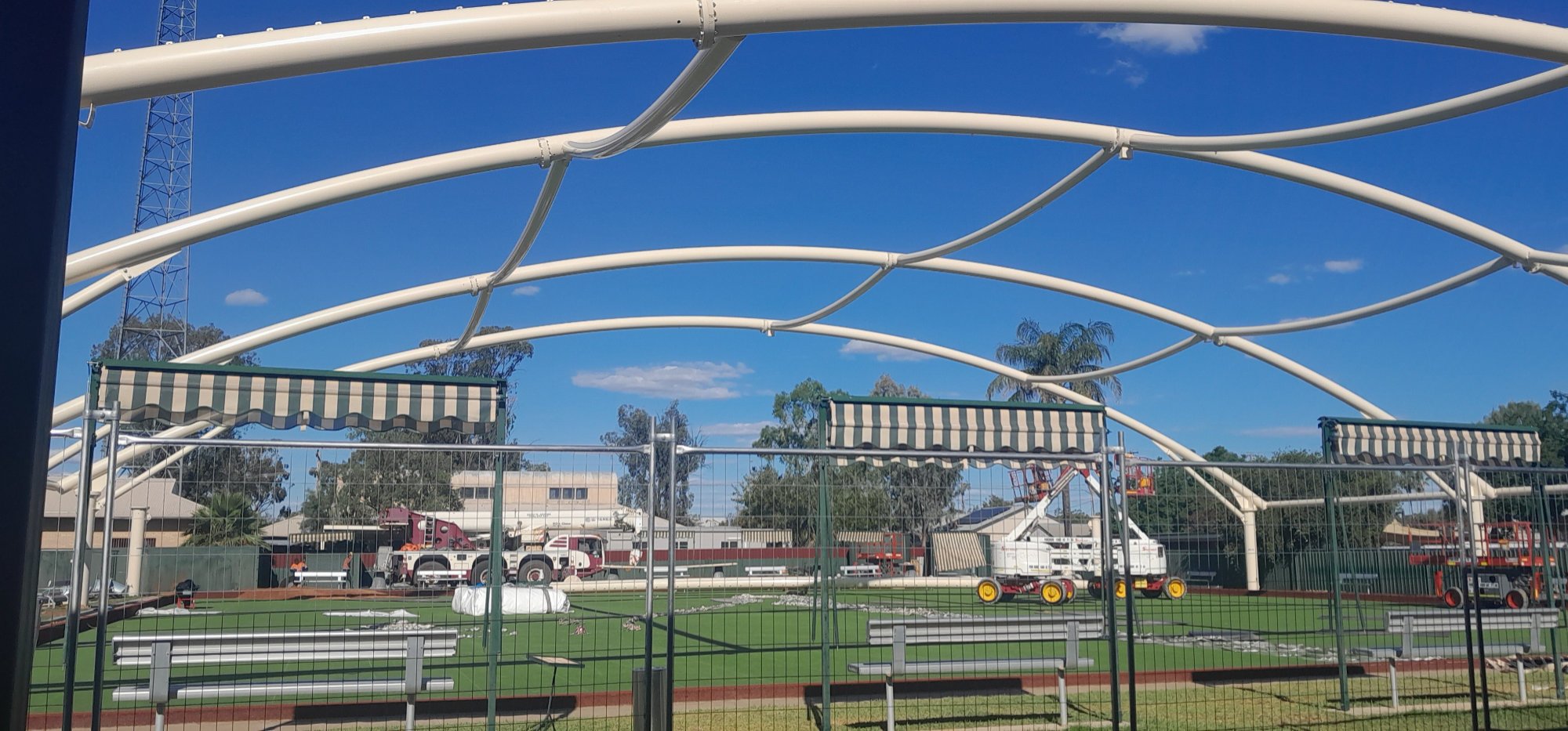
AS 3959, the Australian standard for construction in bushfire-prone areas, uses 1530.1 as the test that defines non-combustible materials for BAL zone requirements.
When a certifier specifies non-combustible cladding or roofing for a BAL-19 site, the test that determines compliance is 1530.1. That connection makes 1530.1 the practical gatekeeping test for any outdoor structure being built in a bushfire-prone area.
The NCC draws on 1530.3 results through its fire hazard property requirements, which set maximum allowable index values for materials used in internal linings and certain construction types. For outdoor structures, these requirements are less prescriptive than for enclosed buildings, but they remain relevant where a structure is attached to or adjoins habitable space.
What this means for outdoor structure specification
Structural steel passes 1530.1 without qualification. It is non-combustible, making it the correct material for permanent outdoor infrastructure across Australia's range of sites and regulatory environments, including BAL-rated zones. Every Greenline permanent fabric structure is built on a structural steel foundation for that reason.
Besides that, membrane selection is where 1530.3 results become the working tool. For standard applications such as schools, sports clubs, and council projects in areas without elevated BAL ratings, PVC-coated polyester offers appropriate fire hazard indices and a long service life.
For BAL-rated projects or structures requiring fire engineering, PTFE-coated fibreglass provides the strongest available 1530.3 performance of any architectural membrane material. The right choice is determined by the site, the use, and the applicable compliance pathway which is why it is established during design, not selected from a product list.
For organisations with a project in mind and questions about what materials and compliance pathways apply, a feasibility review is the right starting point.
FAQs
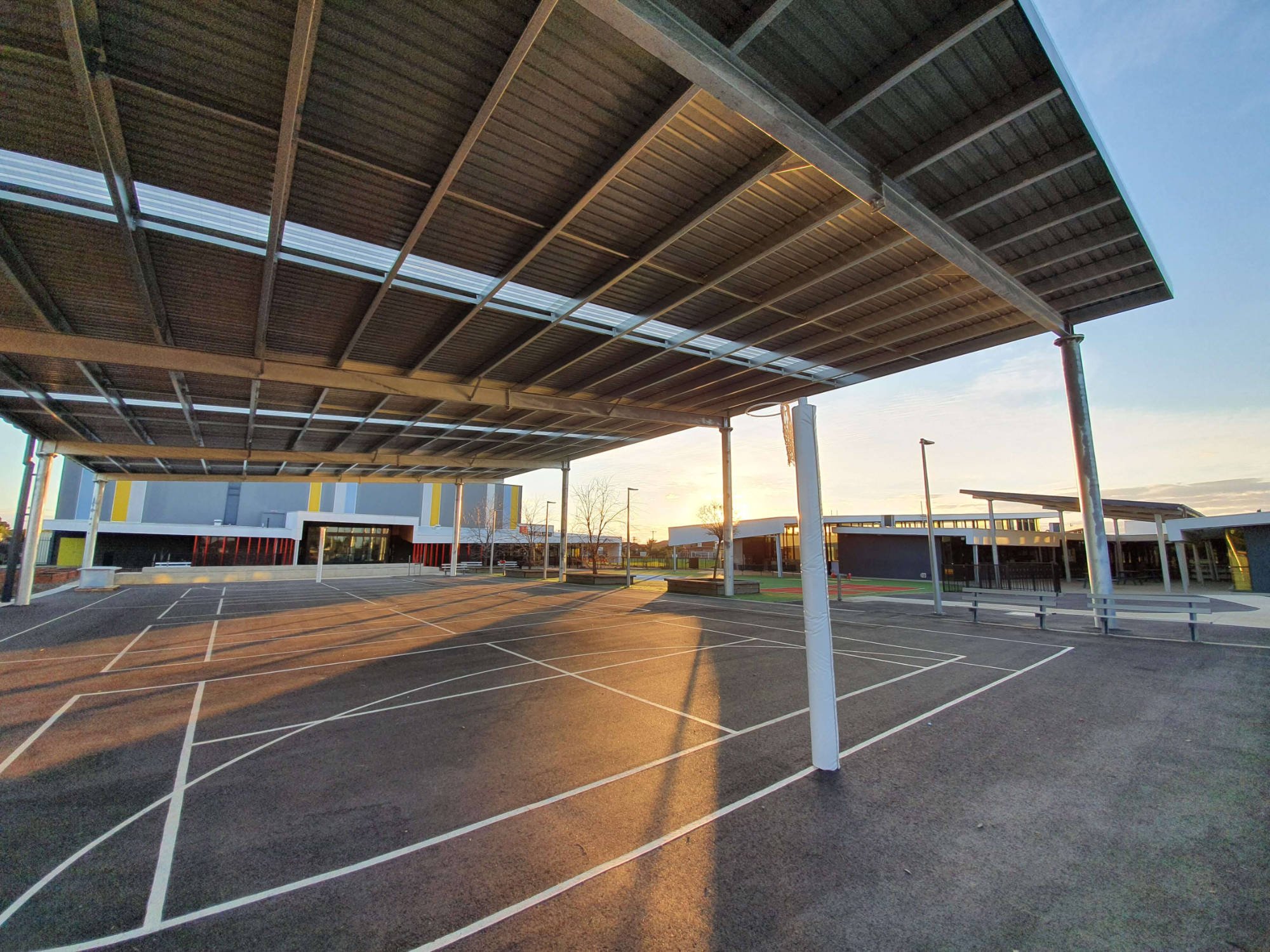
Navigating Australian fire safety regulations can trigger a wide variety of technical questions during the early planning phases of an outdoor asset. Because the wording on technical data sheets often relies on complex engineering metrics, understanding how these standards interact is vital for project transparency.
Misinterpreting testing parameters can easily result in unexpected budgetary variations, material replacement delays, or legal hurdles during handover. The following FAQs address the main points procurement officers face when cross-referencing supplier certifications.
What is AS/NZS 1530 and what does it cover?
It refers to the Australian standard series for fire testing of building materials, components, and structures. It covers four distinct tests: 1530.1 (combustibility), 1530.2 (flammability of thin materials), 1530.3 (early fire hazard indices: ignitability, spread of flame, heat evolved, and smoke developed), and 1530.4 (fire resistance of structural elements).
The series underpins fire compliance requirements under the National Construction Code and under AS 3959, the bushfire construction standard.
What is the difference between AS/NZS 1530.1 and AS/NZS 1530.3?
1530.1 is a binary test: a material either passes (non-combustible) or fails (combustible). It is the test that determines whether a material satisfies non-combustible requirements in BAL zones and certain NCC pathways.
1530.3 measures four early fire hazard indices (ignitability, spread of flame, heat evolved, and smoke developed) and produces numerical results for each. A material can fail 1530.1 and still have low 1530.3 indices. Both results are relevant, but to different compliance questions.
What do the AS NZS/1530.3 indices on a product data sheet mean?
The four 1530.3 indices measure distinct aspects of how a material behaves in the early stages of a fire. Ignitability Index measures how quickly the material ignites under radiant heat.
Spread of Flame Index measures how far flame travels across the surface. Heat Evolved Index measures the rate of heat release during burning. Smoke Developed Index measures smoke volume produced. Lower numbers indicate better fire performance.
A Spread of Flame Index of 0 means no measurable flame spread; 0 on Smoke Developed means no measurable smoke. These numbers allow direct comparison between membrane products, more reliable than general terms like "fire retardant" or "fire resistant," which have no standard definition.
One reading caution: for PTFE-coated fibreglass membranes, published 1530.3 data typically reflects testing of the woven glass base cloth before the PTFE coating is applied. Read data sheets carefully to confirm what was actually tested.
Does my permanent outdoor structure need to comply with AS/NZS 1530?
Yes, in most regulated environments. Under the National Construction Code, permanent outdoor structures are classified as Class 10a non-habitable buildings, and the materials used must satisfy applicable fire performance requirements.
For structures in bushfire-prone areas with a BAL rating, 1530.1 combustibility classification directly determines what materials are acceptable.
For any permanent structure, 1530.3 fire hazard indices inform membrane selection and may form part of a fire engineer's performance solution where required. A building certifier or fire engineer can confirm which specific requirements apply to a given site and project type.
Moving Forward
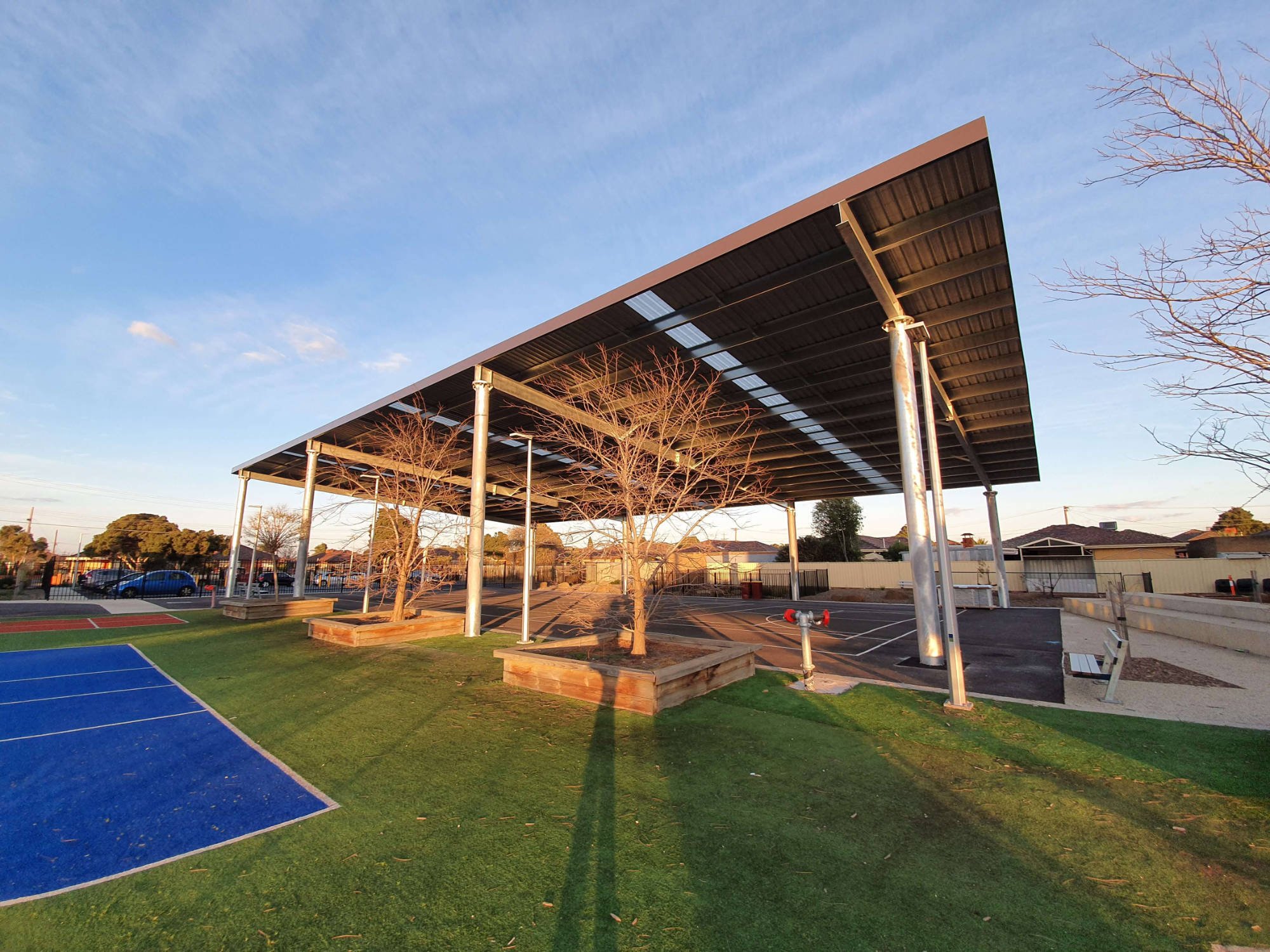
For regional councils and school boards, the path to a successful outdoor infrastructure build relies on aligning your design team, certifiers, and suppliers from day one. It’s the only way to ensure high-quality and community value for the entirety of the structure’s design life.
We help you to align procurement decisions with verified, rigorously tested parameters, ensuring that your compliance pathway is locked in before fabrication begins. Reach out to our team for more information on compliance and safety.