
TL;DR
The FIFA World Cup 2026 was played in extreme heat and even the world's most scrutinised sporting venues leave the majority of their spectators sitting in full sun. In Australia, where heat and UV risk persist for most of the year across every state, the same gap exists at virtually every community sport ground, public park, and outdoor recreational space in the country. The structural answer is the same at every level: cover the space, for everyone in it, not just those competing.
The FIFA World Cup and the heat it could not ignore
The 2026 FIFA World Cup (104 matches, 16 host cities, June and July in North America) was played in some of the hottest, most scrutinised outdoor conditions the tournament has faced. And for the first time, the sport has run out of ways to frame this as a management problem rather than a structural one.
The outdoor exposure and duty of care here are quite relevant to Australia where the climate and lifestyle encourage outdoor activities.
FIFPRO (Fédération Internationale des Associations de Footballeurs Professionnels), football's global players' union, has set 26°C Wet-Bulb Globe Temperature (WBGT) as the threshold at which cooling and heat safety measures should be implemented.
At 28°C WBGT, FIFPRO advises that matches be postponed. Analysis by earth.org suggests approximately 1 in 4 scheduled World Cup matches are likely to be played at or above that first threshold. FIFA's own threshold for recommending cooling breaks is 32°C WBGT, four degrees more than FIFPRO's postponement level.
In response to the conditions at this tournament, FIFA mandated 3-minute hydration breaks.
Hydration breaks are a response to a condition, not a resolution of it. The condition is that outdoor sport is being played in the summer sun, by people in a space with inadequate shade or cover. The World Cup did not create that condition, as it is common weather, but has made it impossible to ignore at the largest scale the sport operates on.
Even at elite level, most spectators sit in full sun
MetLife New York/New Jersey Stadium in East Rutherford, New Jersey was one of the primary World Cup venues, hosting multiple group stage and knockout matches. It is a fully open-air facility with no roof. Third-party guides have emerged specifically to help fans locate the limited shaded seating available at the venue. That this is a necessary service at the world's most watched sporting event tells something about the baseline standard.
Look at the published images from any major open-air stadium hosting a World Cup match. The upper tiers, where corporate suites, press boxes, and premium hospitality are located, are enclosed and shaded. The lower and mid-tier seating, where most spectators sit, is open to the sky.
A review of shade provision at major sport venues by Athletic Business identified the gap directly: spectators in general admission sections "can suffer from skin burn and heat exhaustion due to over-exposure to the sun," with coverage in open-air stadiums typically prioritising premium areas.
This is a fact and not a failure of any specific venue. It is the architectural reality of open-air stadium design: shade is often distributed as a premium amenity, not as a baseline provision. That is the elite standard. It has, however, not solved the baseline problem of weather exposure (we’re talking sun and heat here, but overall climate resilience is increasingly part of the conversation).
Australia adds its own conditions to this issue
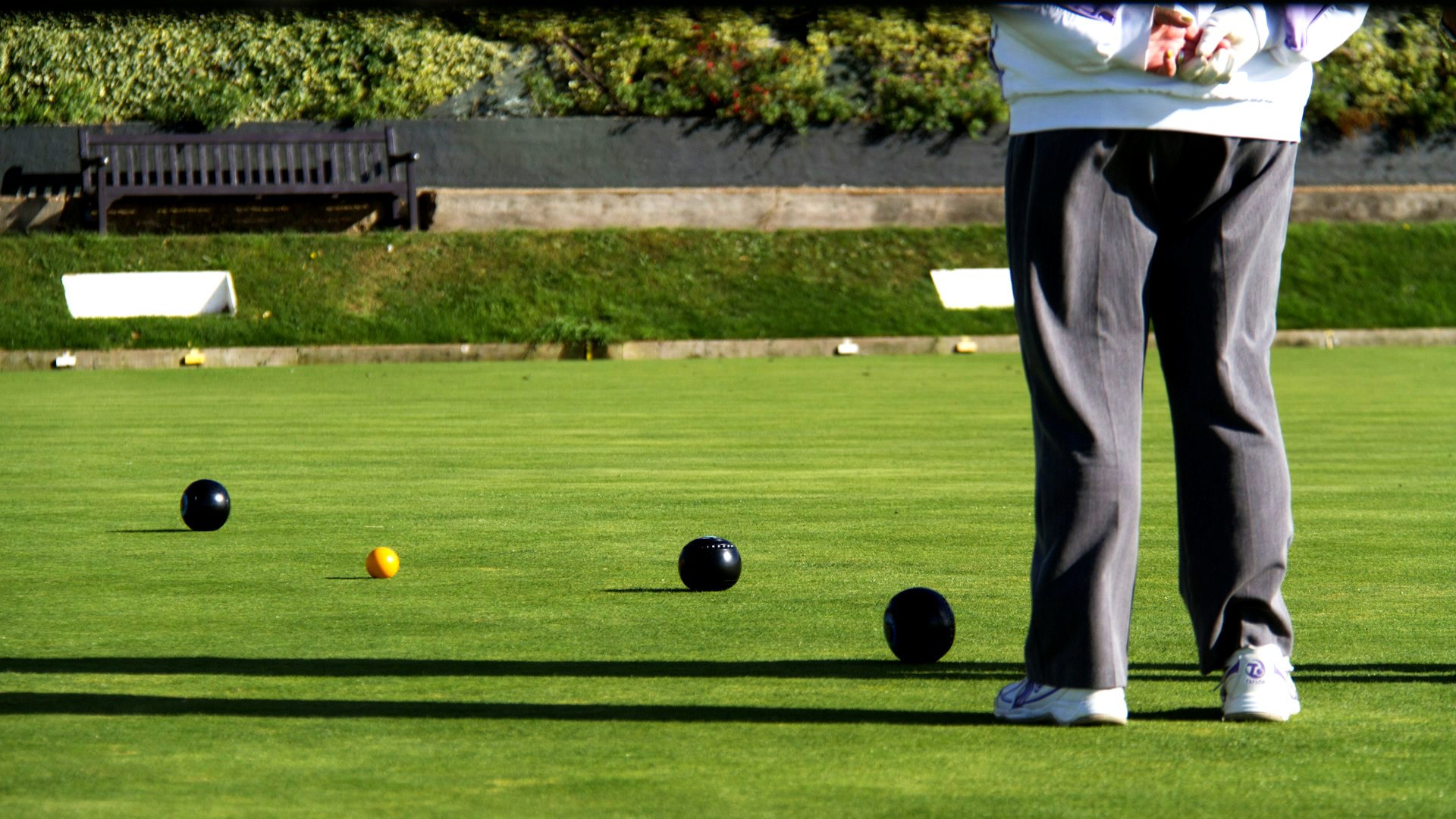
The heat conditions the World Cup navigated in North America are a recurring reality in Australia, but more persistent, more intense on the UV dimension, and more concentrated at the grassroots level where infrastructure is least developed.
Football Australia's heat policy governs the A-League, Westfield W-League, and Y-League. It mandates 90-second drinks breaks each half when WBGT reaches 26–27.9°C, or ambient temperature exceeds 31°C, and allows matches to be delayed or postponed when WBGT reaches 28°C, a threshold four degrees more conservative than FIFA's own recommendation.
The UV dimension is where Australia's conditions become particularly acute. The Australian Radiation Protection and Nuclear Safety Agency (ARPANSA) sets the sun protection threshold at UV Index 3: at or above this level, sun-protective clothing, hat, sunglasses, sunscreen, and shade are all recommended. Unprotected skin can be damaged in as little as 15 minutes at peak UV.
In Queensland and the Northern Territory, UV readings are at or above that protection threshold effectively year-round. In most of Western Australia, the threshold is exceeded in all but June and July. In Sydney, the exposure window is ten months of the year. Only in Melbourne and Hobart does UV consistently fall below the protection threshold during winter. Therefore, it is not a local or temporary problem, it is a national one, and a year-round one for most of Australia.
The health picture is significant. Australia records the highest age-standardised melanoma incidence rate in the world; 36.6 cases per 100,000 in 2020, two to three times higher than Canada, the United States, and the United Kingdom, according to the International Agency for Research on Cancer (IARC).
At least two in three Australians will be diagnosed with skin cancer in their lifetime, and melanoma is the most common cancer diagnosed in Australians aged 15 to 29. In January 2022, Safe Work Australia's January 2022 guidance formally recognised solar UV radiation as a known occupational carcinogen - the same risk category as asbestos - carrying direct duty of care implications for organisations managing outdoor spaces.
At an A-League or W-League venue, there is shade infrastructure, real-time WBGT monitoring, and medical staff. At a community football or netball club on a Saturday morning, no equivalent national heat policy governs that match. At community level, there is no consistent policy and no equivalent infrastructure.
The field is exposed; back-to-back games mean some people are there for three or more hours, and parents and volunteers stand on the boundary in direct sun with no monitoring and no equivalent protection.
The policy is consistent. The infrastructure, however, is not.
The exposure does not stop at the boundary of organised sport
The problem does not begin and end at a club's competition ground.
A family at a community park on a Sunday afternoon, children on a grass oval during school holidays, volunteers at a council event on an open reserve, the UV Index and the surface temperature are identical whether or not a competition is underway.
Councils managing public open space carry occupier's liability obligations for everyone using those spaces. Safe Work Australia's regulatory language around solar UV radiation as a carcinogen does not distinguish between organised sport and informal recreation. An organisation does not have to be running a competition to carry a duty of care for the people present.
The gap between what a World Cup stadium provides, even imperfectly, and what a suburban oval or community reserve provides is the full measure of the problem. The typical infrastructure response at community level is either absent or limited to a bench under a single tree.
What covered infrastructure does for the whole space
Organisations that work towards resolving this are not outliers, and the outcome is not complicated.
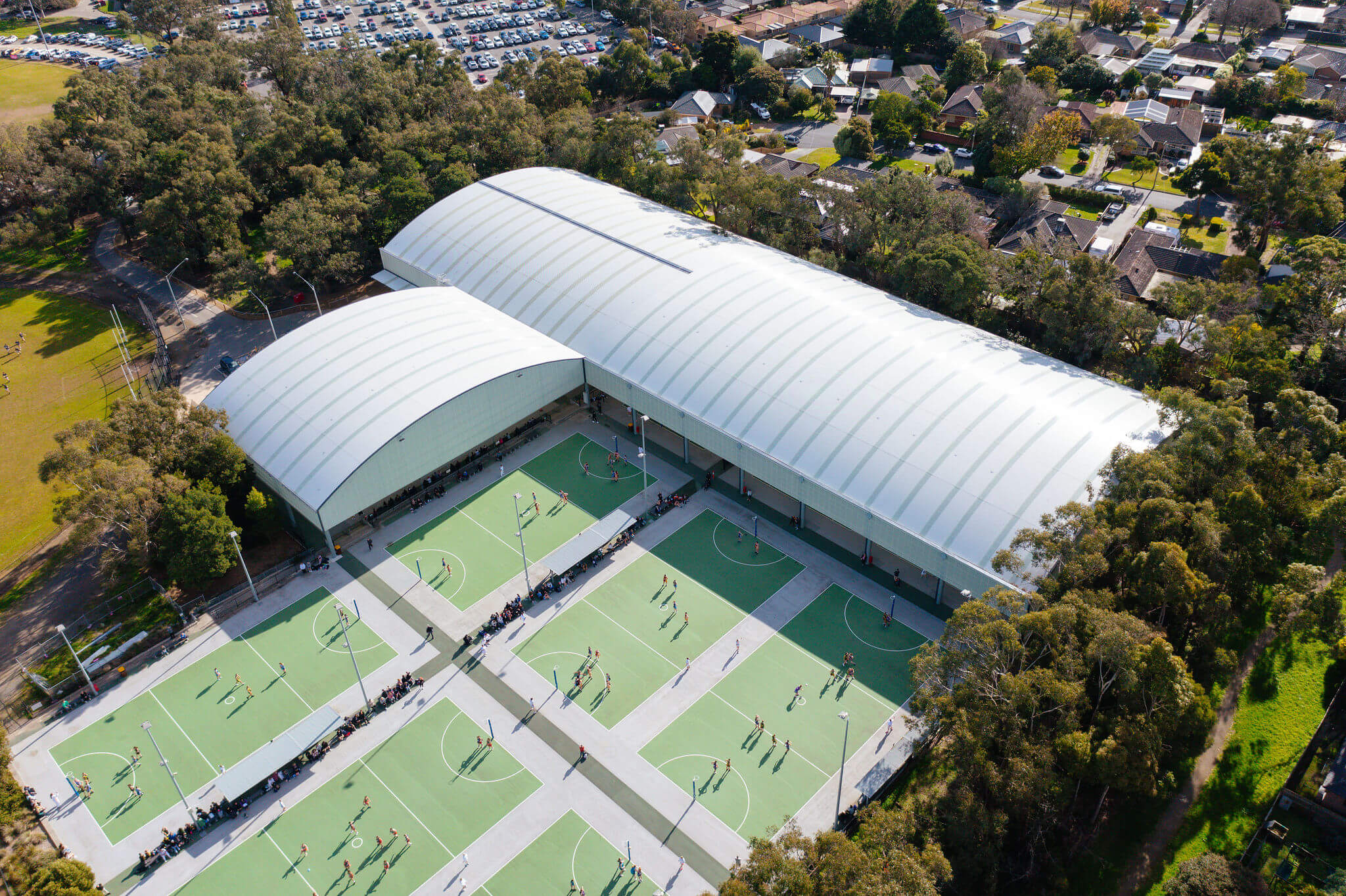
At Pinks Reserve Regional Netball Facility in Kilsyth, Victoria, permanent covers now protect six of the facility's twelve courts across a 5,600 square metre footprint. This is a facility welcoming thousands of individuals on a regular basis. Greenline, which delivered the project across three stages, describes the result simply: the space has been transformed, "setting it up for many more years of games, practice and support from the sidelines."
Every person in that space, on the court, on the sideline, officiating, coaching, watching, is under cover and not only sheltered from the sun and UV but also any adverse weather. The direct impact beyond safety and schedule certainty is also increased foot traffic and audience retention (it proves easier to stay around for longer when not battered by heavy rain, for instance).
At Diamond Creek Netball Club, a 1,500 square metre canopy covering two competition-standard courts was commissioned by Nillumbik Shire Council and built to the same principle. The outcome is described clearly: "Players, spectators and officials now benefit from all-weather protection, improved comfort and better playing conditions, allowing training and matches to continue more consistently across the year."
Players, spectators, and officials. The covered space is the whole space, not just the playing surface.
The same principle applies, beyond court sport, to community parks, council reserves, and public recreation areas where informal gatherings create the same exposure without the regulatory visibility of organised competition. Permanent shade structures over high-use gathering zones, canopies over spectator areas, and covered seating at community facilities address the same exposure at a different scale.
The question is always the same: is the whole space covered, or only part of it?
The decision gets made before the season
The FIFA World Cup has made outdoor heat and UV visible at the largest scale the sport operates on. The conversation it has forced, about thresholds, protocols, spectator welfare, and the limits of hydration breaks, is one that Australian clubs, schools, and councils navigate at a local level, year-round, without the global audience.
Organisations like Pinks Reserve, Diamond Creek, and many others who have resolved this problem made those decisions months before the season, when planning processes could be worked through without urgency, funding applications lodged, and design conversations had at pace. Not under pressure during a heatwave.
That window is open now, for next year.
The World Cup has moved on. The next Australian summer will not.
Explore covered outdoor infrastructure
If you're exploring what covered infrastructure could look like for your club, school, or facility, the projects page shows how other organisations have approached it - across netball, football, school courts, and community venues.