
/rhodes61I7103.jpg?width=1310&name=rhodes61I7103.jpg)
When a shade structure goes through council, gets reviewed by a certifier, or is assessed for insurance purposes, one document sits behind almost all of it: AS/NZS 1170, the Australian and New Zealand standard for structural design actions.
Most project owners encounter references to it without ever needing to open it. But understanding what the standard actually covers makes it easier to follow design decisions, ask better questions, and know what you're signing off on.
This article walks through the structure of AS/NZS 1170, explains how each part applies to shade infrastructure, and covers the aspects of compliance that matter most when you're planning a shade or shelter project. For a closer look at how wind regions and terrain categories are assessed at the site level, we've covered those in detail separately.
An overview of AS1170
AS/NZS 1170 provides the framework engineers use to determine the forces that buildings and architectural structures must be designed to resist. It covers the full range of conditions that may affect a structure throughout its life, including forces resulting from its own weight and everyday use through to extreme weather events and seismic activity.
The standard is divided into several parts, each dealing with a specific category of “structural action”. Together, these documents provide a consistent method for assessing structural demand and demonstrating compliance with the National Construction Code.
In this case, the term “actions” is used to describe the forces and effects acting on a structure, which covers not just external forces like wind and gravity but also deformations that develop within a structure itself, such as thermal expansion.
In practice, most of the actions considered during shade structure design fall into a handful of key categories. Some actions are “permanent”. These include the weight of the structure itself, such as the steelwork, roofing materials, fixings, and foundations.
Others are variable and depend on how the structure is used, like people accessing the structure for its intended purpose, maintenance, moving temporary equipment, or environmental forces such as wind.
The role of the standard is not only to define these actions, but also to establish how they should be combined. It’s divided into 5 five parts, each addressing a different load category.
Part 0: general principles
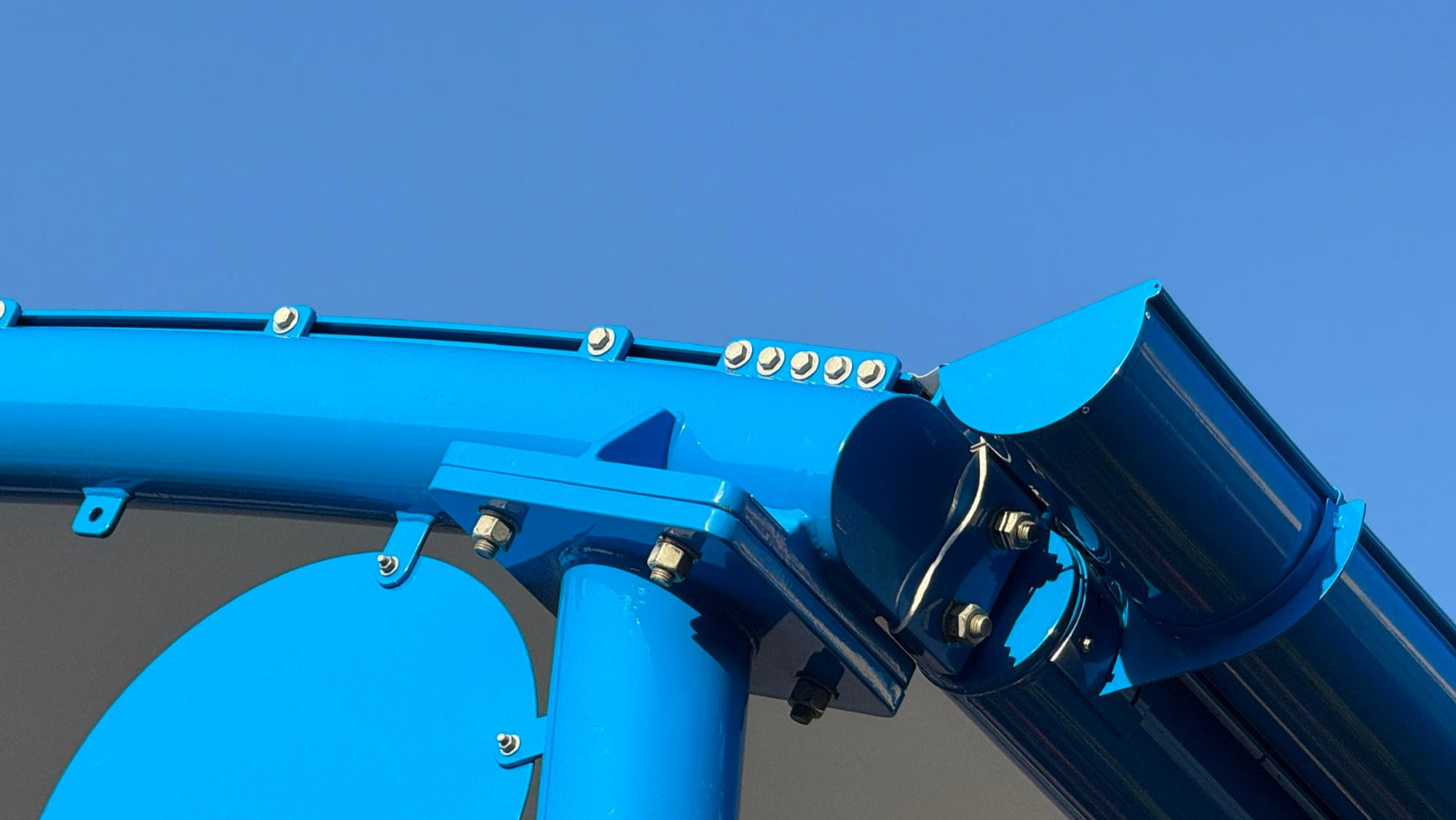
Part 0 sets out the design framework that everything else in the series depends on. It establishes limit states design, which distinguishes between two thresholds: the ultimate limit state, where the structure must not collapse, and the serviceability limit state, where it must continue to function acceptably under everyday conditions.
Critically, Part 0 defines how different load types are combined. In practice, wind, gravity, and other forces all act at once. Engineers need rules for determining which combinations are most severe, and what safety factors to apply. This is the part that produces those rules.
Part 1: permanent, imposed, and other actions
Part 1 deals with what most people would recognise as dead loads and live loads. Permanent actions are the fixed, unchanging weight of the structure itself. Imposed actions are those that vary during the structure's life: people occupying or moving through a space, maintenance loads, or materials stored underneath.
For shade structures, Part 1 loads are typically modest. Fabric membranes and steel roofing sheets are lightweight, and occupation loads under a canopy are generally low. But they still need to be quantified accurately, because they feed directly into the load combinations that Part 0 requires.
Part 2: wind actions
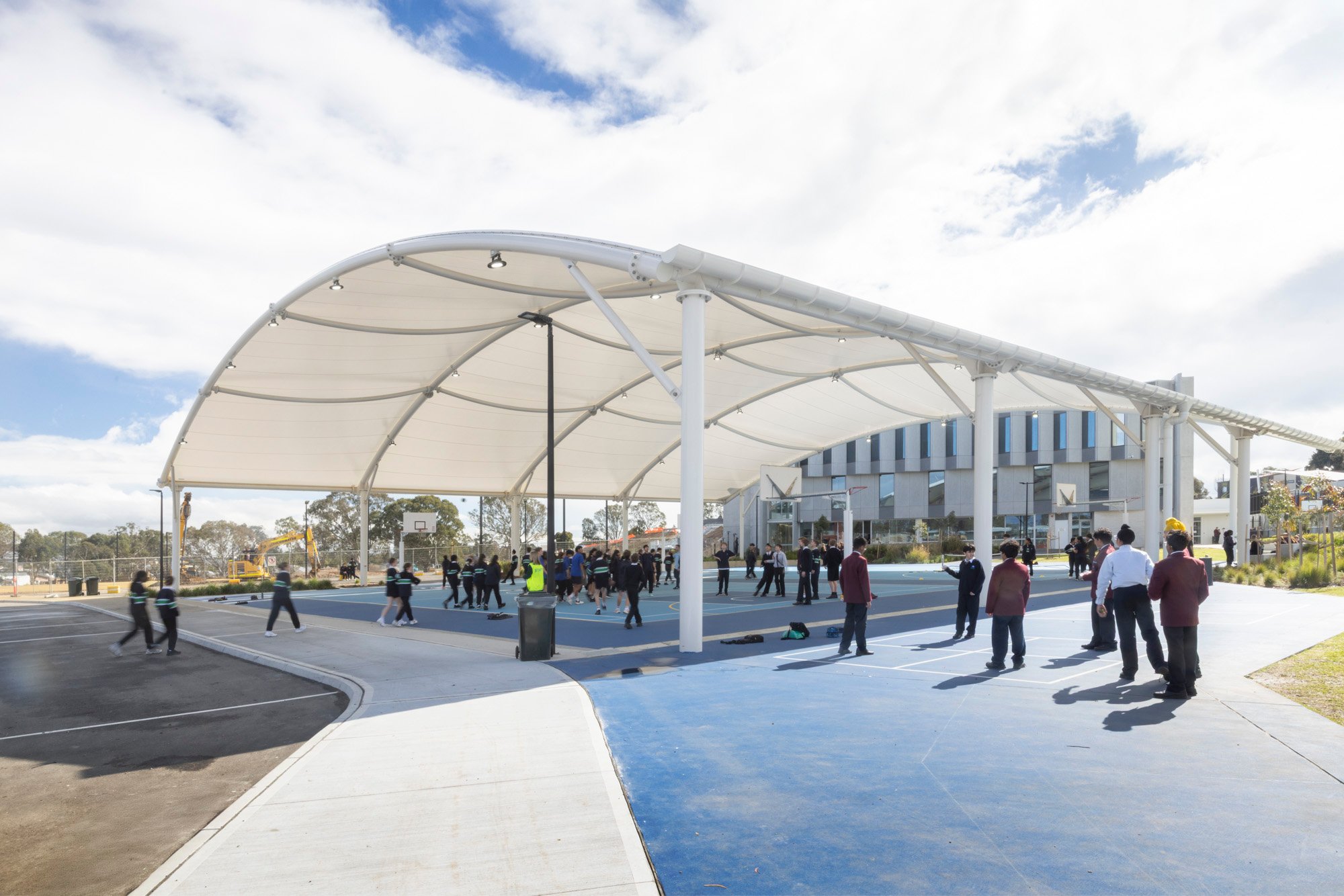
For most shade structures, this is the part that drives the design. Part 2 sets out how wind forces are calculated based on where a structure is located, the terrain surrounding it, its height, and its geometry.
Because Australia spans a wide range of wind climates, the standard accounts for that variation through a system of wind regions, terrain categories, and site-specific multipliers. What makes this part particularly significant for shade and shelter structures is the nature of the loads it produces.
Open-sided canopies and fabric structures generate substantial uplift under wind, and in many designs the engineering effort is focused as much on holding the structure down as holding it up. We've covered how wind regions and terrain categories are assessed in detail in separate articles.
Part 3: snow and ice actions
Part 3 is relevant to a smaller subset of Australian projects. It applies to structures in alpine and sub-alpine regions, primarily the elevated areas of the Snowy Mountains, the Victorian Alps, and equivalent elevated terrain in New Zealand, where snow can accumulate over successive weather events and impose significant load on roof surfaces.
For most commercial shade projects in Australian population centres, Part 3 won't be a primary design consideration. However, for any structure at elevation where snow loading is plausible, engineers need to account for how load distributes across the roof geometry, including the effects of drifting and uneven accumulation.
Part 4: earthquake actions
Australia is seismically active, though less so than New Zealand or other parts of the Pacific Rim. The standard applies a hazard design factor to all regions of Australia, which means earthquake loads must be considered in the design of any structure regardless of location.
The level of design demand varies with geography (areas like Adelaide and parts of Western Australia carry higher seismic hazard than others) but no site is treated as zero-risk. The 1989 Newcastle earthquake was a significant factor in the development of Australia's seismic design requirements.
For typical shade structures, seismic loads are unlikely to govern the design (wind usually produces larger lateral forces) but the assessment still forms part of a complete structural design under the standard.
Australian standard 1170: who it should matter to
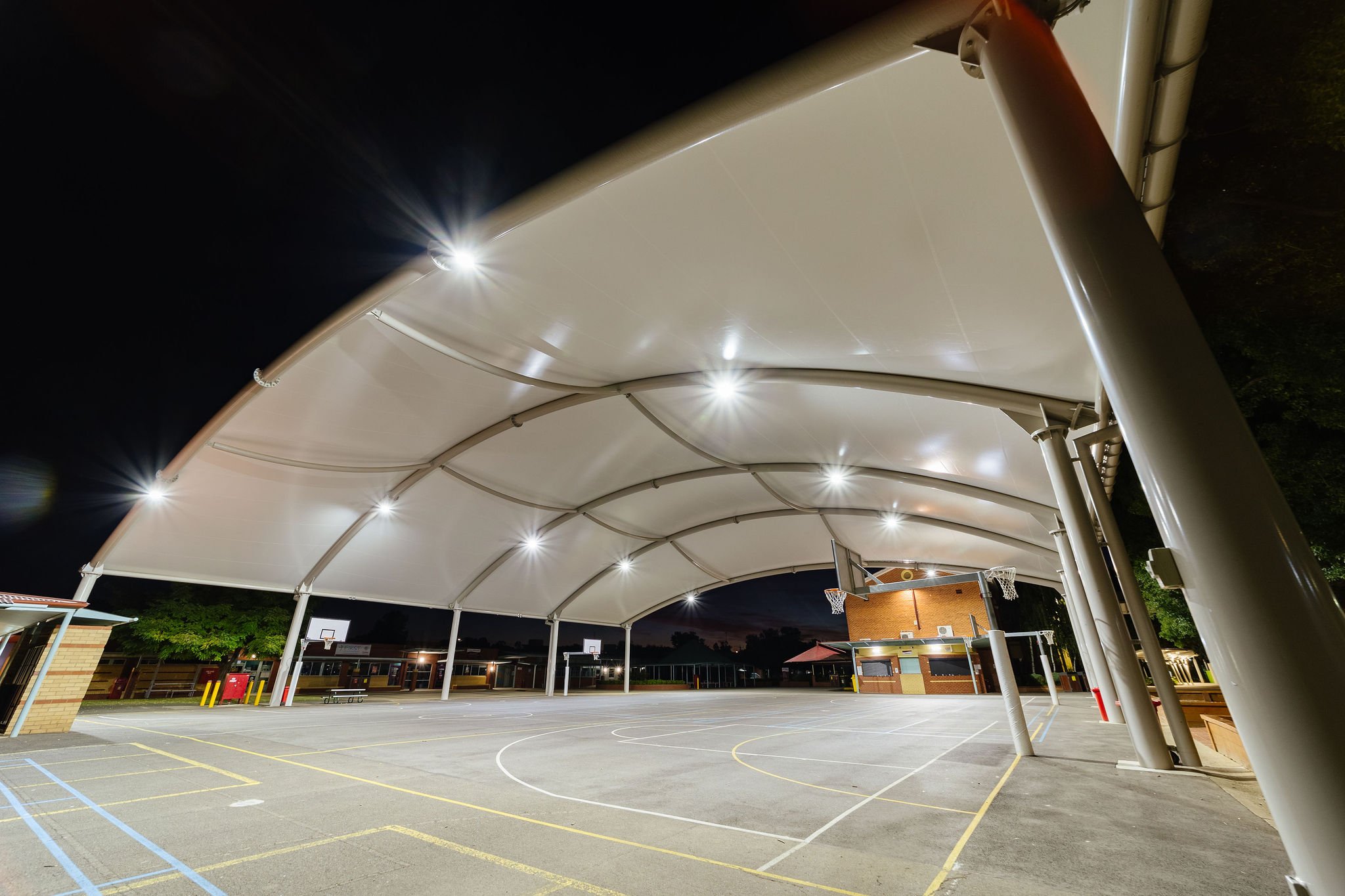
AS/NZS 1170 exists to protect people and property. Engineers use it to ensure a structure can withstand the conditions it is likely to face throughout its design life, including the extreme events that can lead to structural failure.
For project owners, the standard underpins council approvals, building certification, and, in many cases, insurance requirements. A structure designed and certified in accordance with the standard gives councils, certifiers, and insurers confidence that it is safe, compliant, and fit for purpose.
Conversely, a structure that has not been properly engineered may not perform as intended when exposed to severe conditions.
How AS/NZS 1170 applies to shade infrastructure design and construction
Shade structures present a specific set of engineering challenges, and AS1170 plays a central role in addressing them.
Wind is typically the dominant load case. Shade structures are lightweight, often open-sided, and exposed to wind from multiple directions. This combination means wind forces can be surprisingly high relative to the weight of the structure.
What catches many people off guard is the direction of those forces. Because shade structures are often open underneath, wind does not just push against them. It also creates significant uplift, pulling the structure upward.
For many shade structures, and especially fabric structures, a large portion of the structural design is actually there to hold the structure down, not just hold it up. The columns, footings, cables, and connections all need to resist these upward forces, which can exceed the downward weight of the structure itself.
Dead and live loads still apply, but for shade structures they are typically smaller than the wind loads. The self-weight of a fabric membrane or steel roof sheeting is modest, and imposed loads from people or equipment are usually minimal.
The standard also ensures that each structure is engineered for its specific site. A shade structure on the NSW coast faces very different wind conditions to one in inland Victoria. AS1170 accounts for those differences through regional wind speed maps, terrain categories, and shielding factors, so the design matches the environment it will sit in.
Designing to the standard from day one
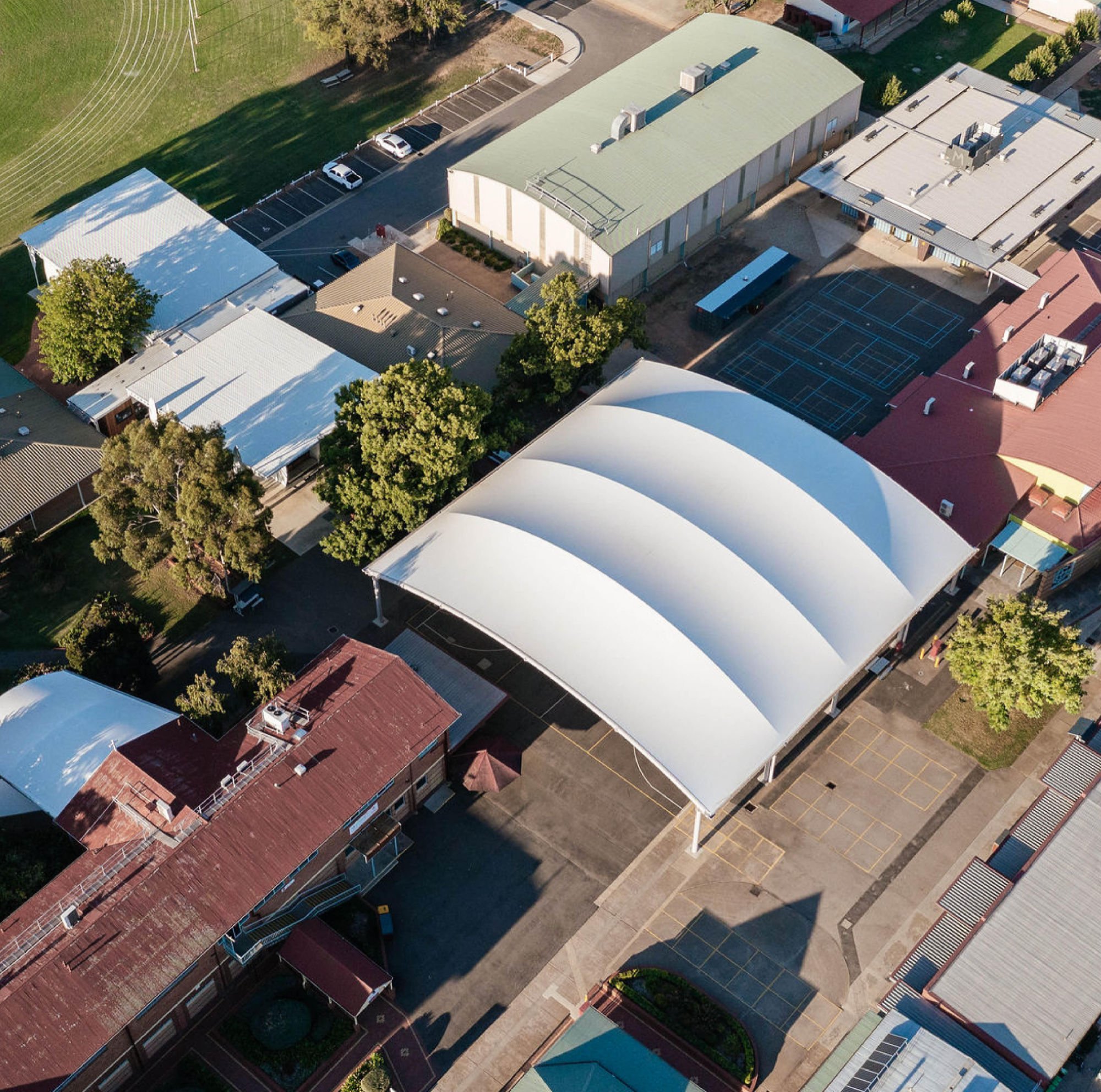
At Greenline, every structure we design is engineered to the relevant parts of AS/NZS 1170 from the outset. Our engineers read it for entertainment.
This is built into our Consult. Design. Construct. process, so our clients can be confident their structure is safe, compliant, and built to last. If you are planning a shade or shelter project and want to understand how the engineering works, we are happy to talk it through.