
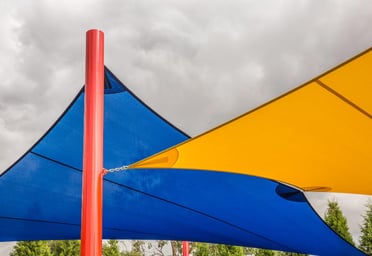
Shade sails are usually the first option that comes to mind when covering an outdoor area. They're familiar, quick to install, and often the lowest upfront cost.
For plenty of spaces, that makes sense.
But as you start thinking about how the space will actually be used, other structure types come into the conversation. There are a lot of factors that can impact whether or not you need a shade sail or an alternative:
- How often do you need it?
- What happens when weather cancels an event?
- Is it becoming part of your core program?
The right question isn't whether shade sails are good or bad. It's whether they're the right fit for how you'll use your space.
A note on where this advice comes from
Greenline designs and builds custom commercial shade structures across Australia. Our work includes waterproof fabric structures (PVC, tensile, barrel vaults) and large-span steel structures.
We're often brought in early when organisations are reviewing options, planning upgrades, or trying to avoid long-term regret. Over the last 29 years, we've seen first-hand how different structures perform. Not just at installation, but years later, in real school and sporting environments.
This comparison reflects what we've learned from that.
Quick definitions: Covered Outdoor Learning Areas (COLA)
Before we get into structure types, a quick clarification will help avoid confusion:
When some people talk about COLAs, they refer to them as a type of structure. That's understandable. It's how the term gets used in conversation. But technically, a COLA isn't a structure type.
It's an application or use case.
In simple terms, a COLA is a covered space used for learning, assemblies, sport, and multi-purpose activities. That space can be created using different structure types. Most commonly, it's a steel roof or a waterproof fabric structure, depending on your budget, how permanent it needs to be, and how the space needs to perform.
Quick comparison: shade sails vs common alternatives
|
Structure Type |
Primary Purpose |
Weather Protection |
Typical Lifespan |
Maintenance |
Best Use |
|
Shade Sails |
Sun protection |
UV only (shade cloth) or UV + rain (PVC) |
10–15 years |
Regular tensioning; fabric replacement |
Informal spaces, playgrounds, smaller areas where weather disruptions are tolerable |
|
Waterproof Fabric Structures |
All-weather protection |
Fully waterproof; 100% UV block |
15–25+ years (fabric); 50+ years (frame) |
Periodic cleaning (1–3 years) |
Sports courts, multi-purpose spaces where cancellations have real consequences |
|
Steel Roof Structures |
Permanent all-weather cover |
Fully waterproof |
Indefinite with maintenance |
Annual inspections; gutters, drainage |
Permanent facilities where longevity matters most |
The shade sail alternatives
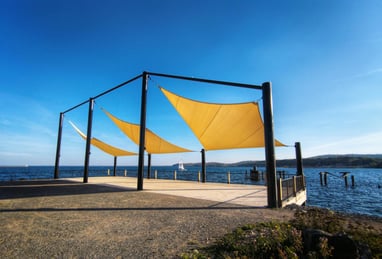
Shade sails (fabric structures)
Best for: Sun protection where occasional weather disruptions are acceptable.
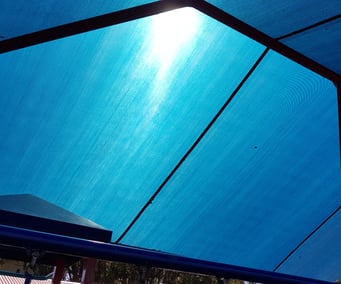
Shade sails and shade cloth structures are typically the same thing in practice. What matters is the fabric: shade cloth provides UV protection (90%+), while PVC sails add waterproofing.
What they do well:
Shade sails are quick to install and sit at a lower price point than engineered fabric or steel structures. For informal areas like playgrounds, seating zones, or spaces used casually, they're a practical choice.
But here's what matters:
Shade cloth isn't waterproof. Heavy rain comes through. PVC sails offer waterproofing but still require regular tensioning and maintenance to perform properly.
If your space is programmed (timetabled classes, booked training, scheduled events), there's still a chance you'll need to cancel or relocate.
A good fit when: Your space is useful but not mission-critical, and weather disruption is tolerable.
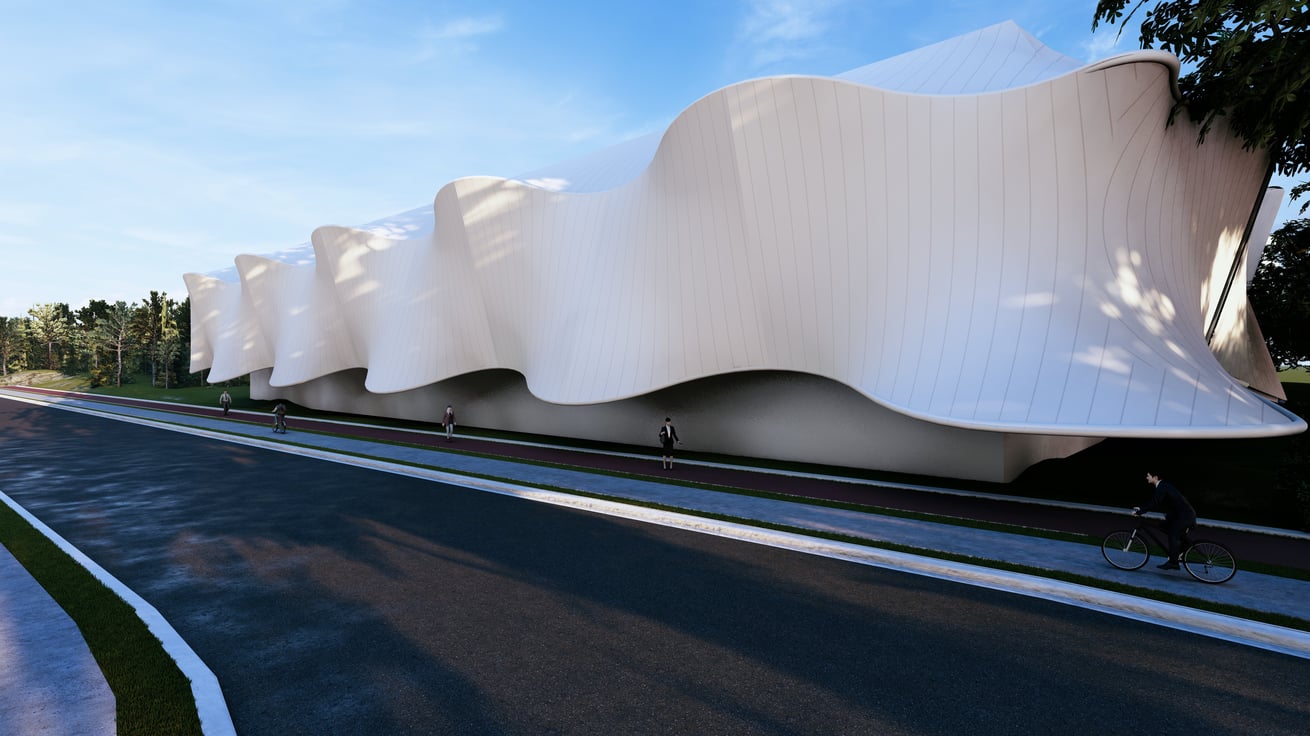
Waterproof fabric structures (PVC / Tensile / Barrel Vaults)
Best for: Reliable, year-round use.
This is where a covered area becomes an operational asset.
Waterproof fabric structures (including barrel vaults, tensile membranes, and PVC canopies) are engineered structures built for full weather protection. They're engineered differently. Not an upgrade to shade sails. A different category.
What they do well:
100% UV block and complete waterproofing. The fabric allows natural light through (9–25% light transmission), so the space stays bright without artificial lighting during the day.
Large clear spans, commonly 15–20 metres or more, without central posts obstructing the area. That makes them right for sports courts, multi-use areas, and spaces where you need uninterrupted coverage.
Most importantly, they give you timetable certainty. When a space is heavily programmed (PE classes, training sessions, community events), being able to run activities regardless of weather changes everything.
But here's what matters:
The upfront investment is higher than shade sails. These structures need proper engineering to perform well long-term. Drainage, lighting integration, acoustic considerations. All need to be thought through as part of the design.
A good fit when: The space is heavily used and cancellations carry real cost: rescheduling, complaints, lost bookings.
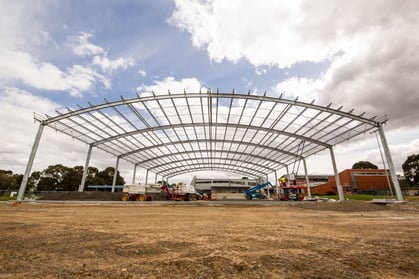
Steel roof structures
Best for: Permanence and longevity.
Steel roof structures are chosen when durability matters more than lightness or openness. They're often dismissed as "just sheds," but with proper design, they can be architecturally considered and highly functional.
What they do well:
Steel structures are durable and offer indefinite service life if the steel is properly coated and maintained. They provide full weather protection and can support additional features like solar panels.
They're available in various styles (gable, skillion, curved) and finished in Colorbond colours to complement existing buildings.
But here's what matters:
Steel structures have a stronger visual presence than fabric. Without attention to design, they can feel enclosed or industrial.
Heat, acoustics, and light all need deliberate consideration. Steel roofs block natural light unless skylights are added, which changes the character of the space. Some applications need birdproofing due to the beam structures.
A good fit when: You're building a permanent facility where lifespan and durability are the priority, and you're willing to invest in considered design.
Choosing based on what matters
Shade vs all-weather use
Shade sails focus on sun protection. They reduce UV exposure and create a more comfortable space in good weather. But they don't change how often you can use the space.
Waterproof fabric structures and steel roofs provide weather certainty. That's a different outcome.
Flexibility and scheduling
If a space is used informally, like kids playing at lunch or casual weekend use, weather interruptions might be fine.
If the space is programmed, like timetabled PE, booked training or scheduled events, reliability matters. Cancellations have knock-on effects: rescheduling, complaints, lost revenue for clubs, reputational impact.
Longevity and lifecycle
Shade sails typically last 10–15 years with maintenance, and the fabric needs re-tensioning and eventual replacement. They're a shorter-term solution, though appropriate for spaces where needs may change.
Fabric structures last 15–25+ years (fabric) with frames engineered for 50+ years. Steel structures can last indefinitely with proper maintenance. These are long-term assets.
Maintenance and risk
Shade sails need regular attention: tensioning, checking fixings, fabric replacement. The maintenance isn't onerous, but it's ongoing.
Engineered fabric structures and steel structures are designed for low maintenance. A professional cleaning every one to three years keeps fabric structures performing. Steel structures need periodic inspections and gutter maintenance.
Aesthetic and brand impact
Shade sails have a light, informal character. They signal "we've covered this area" rather than "we've invested in this space."
Waterproof fabric structures (particularly barrel vaults and tensile membranes) create a more architectural presence. They can make a facility feel more serious.
Steel structures offer permanence and solidity. With good design, they integrate with existing buildings or stand as a feature.
Which option is right for you?
There's no single right answer. It depends on your circumstances.
If your goal is simple sun protection: Shade sails may still be right. For playgrounds, informal seating areas, and casually used spaces, they offer a practical and cost-effective solution. And that's fine. Not every space needs to be all-weather.
If you want better durability but don't need full weather protection: Heavy-duty shade cloth structures provide a step up from basic sails while remaining relatively affordable. Just recognise they won't protect from rain.
If your space must function regardless of weather: Waterproof fabric structures are often the right fit. They give you timetable certainty, protect users and surfaces, and you can count on the space being usable.
If permanence and lifespan are the priority: Steel roof structures offer durability fabric can't match. For facilities where long-term value matters, they're a smart investment.
When other factors get in the way
Sometimes the best structure is clear, but other constraints shape what's possible.
Planning approvals: Different structures face different approval pathways. Shade structures may be exempt in some contexts (such as educational facilities in certain states), while larger projects may require full development applications. Understanding your approval pathway early saves time and frustration.
Site conditions: Wind exposure, soil conditions, proximity to heritage buildings. These influence what's practical. A structure that works on one site may not suit another.
Budget timing: Some organisations need to stage projects across multiple budget cycles. Others have grant funding with tight timelines. Your timing constraints may shape what's achievable.
Master planning and future expansion: If you're covering one court now but may expand later, it's worth considering how structures could connect or extend. Getting this right early can save significant cost down the track.
The structure itself is only part of the decision. Context matters.
Choosing the best fit
Shade sails aren't a mistake. They're a valid option among several.
The right alternative, if you truly need an alternative, depends on how your space is used, how critical all-weather reliability is, and what the space needs to support long-term.
If you're weighing up shade sails against other options, we're happy to talk it through.
Our Consult. Design. Construct. methodology means we can help you understand what's possible for your site, what each option would cost, and how different structures would perform over time.
If you're in the early stages, our Project Estimator Tool can give you a ballpark cost for different structure types.
And if you just want a second opinion on what fits your plans long-term, our team can help with that too.